Home / Science / Genes Break Mendel's Rules: Epigenetics Rewrites Inheritance
Genes Break Mendel's Rules: Epigenetics Rewrites Inheritance
10 Aug
Summary
- Inherited traits in mice defy Mendel's genetic rules through chemical modifications.
- Epigenetic inheritance in mice can occur across generations and vary by sex.
- New analysis may explain heritable traits missed by standard genetic sequencing.
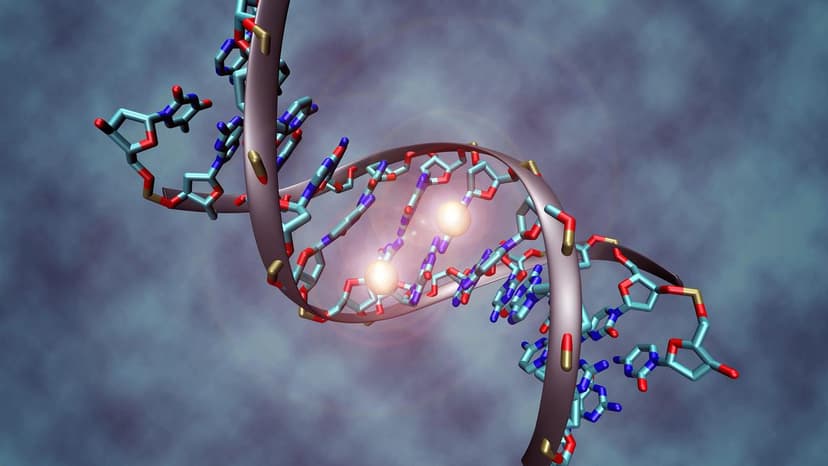
A Johns Hopkins School of Medicine-led team found that certain inherited traits in mice challenge Gregor Mendel's 19th-century genetic principles. These deviations stem from chemical modifications of the genome, rather than gene mutations, which can be inherited across generations and differ between males and females. This epigenetic inheritance can even copy itself from one gene copy to another.
Using nanopore sequencing, researchers analyzed methylation patterns in mouse DNA. While most methylation followed Mendelian rules, approximately 7% demonstrated non-Mendelian epigenetic inheritance. This included over 500 instances where methylation patterns, particularly in the liver, varied based on the mouse's sex. The scale of sex-specific methylation was found to be vastly underestimated.
The study identified new instances of genomic imprinting and, notably, naturally occurring paramutation in mammals for the first time. Paramutation involves one gene copy's methylation status rewriting the other's, a phenomenon previously observed only in plants or engineered mice. This process was linked to the Capn11 gene, potentially affecting fertility.
These findings offer a novel explanation for heritable traits that have eluded genetic analysis, such as hypertrichosis pinnae auris. The research suggests that genome-wide association studies may overlook significant heritable variations not present in DNA sequences. The scientists propose a new analytical approach, allele-specific epigenome-wide association studies, to uncover these hidden genetic links to diseases.


