Home / Science / El Chichón Stirring After 40 Years of Silence
El Chichón Stirring After 40 Years of Silence
10 Feb
Summary
- El Chichón volcano shows signs of increased activity, including rising temperatures.
- Scientists detected unusual gas emissions and sulfur formations inside the crater.
- Current activity is likely hydrothermal, with no current magma movement detected.

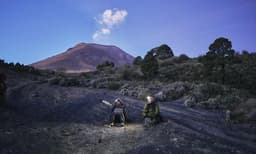
Mexico's El Chichón volcano, also known as Chichonal, is exhibiting new signs of activity after more than 40 years of dormancy. Scientists from the National Autonomous University of Mexico (UNAM) have recorded rising temperatures and bubbling gases within the volcano since June 2025. Unusual hollow sulfur spheres have also been documented forming in liquid sulfur pools inside the crater.
The crater lake, previously green, has turned grayish, indicating elevated sulfates and silica. Thermal measurements show increased temperatures in the lakebed and surrounding crater floor. Gas sampling revealed accumulations of hydrogen sulfide and carbon dioxide. Experts believe this activity stems from superheated groundwater interacting with hot rock, a hydrothermal process, rather than rising magma.
Volcanologists emphasize that these emissions are common in active hydrothermal systems and do not necessarily signal an eruption, as seismic data shows low earthquake activity. The volcano last erupted in 1982, causing one of Mexico's deadliest disasters with over 2,000 fatalities. While the current activity is considered low risk, continuous monitoring using drones and satellites is crucial for public safety.