feedzop-word-mark-logo
searchLogin
Feedzop
homeFor YouUnited StatesUnited States
You
bookmarksYour BookmarkshashtagYour Topics
Trending
trending

Taiwan hit by magnitude 7 earthquake

trending

BYU wins Pop-Tarts Bowl

trending

Fulham defeats West Ham United

trending

Texans beat Chargers, clinch berth

trending

Arizona Bowl: Miami vs Fresno

trending

Senegal draws with DR Congo

trending

Chelsea vs Aston Villa

trending

Clemson plays Penn State outdoors

trending

Pittsburgh vs East Carolina preview

Terms of UsePrivacy PolicyAboutJobsPartner With Us

© 2025 Advergame Technologies Pvt. Ltd. ("ATPL"). Gamezop ® & Quizzop ® are registered trademarks of ATPL.

Gamezop is a plug-and-play gaming platform that any app or website can integrate to bring casual gaming for its users. Gamezop also operates Quizzop, a quizzing platform, that digital products can add as a trivia section.

Over 5,000 products from more than 70 countries have integrated Gamezop and Quizzop. These include Amazon, Samsung Internet, Snap, Tata Play, AccuWeather, Paytm, Gulf News, and Branch.

Games and trivia increase user engagement significantly within all kinds of apps and websites, besides opening a new stream of advertising revenue. Gamezop and Quizzop take 30 minutes to integrate and can be used for free: both by the products integrating them and end users

Increase ad revenue and engagement on your app / website with games, quizzes, astrology, and cricket content. Visit: business.gamezop.com

Property Code: 5571

Home / Science / One Burger a Week: Earth's New Eco-Friend?

One Burger a Week: Earth's New Eco-Friend?

28 Dec

•

Summary

  • Eating one burger weekly might benefit the planet more than total meat abstinence.
  • Cow dung supports insect populations crucial for birds and bats in the UK.
  • Reducing UK beef land by 4 million hectares could decrease methane emissions.
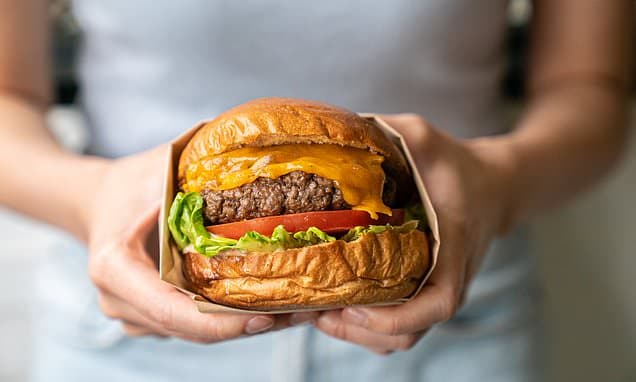
One Burger a Week: Earth's New Eco-Friend?

New research suggests that consuming one burger per week could be 'environmentally good' for the planet, challenging the notion that all meat consumption must be eliminated. Academics propose that a significant reduction, rather than complete cessation, of meat intake in the UK could dramatically lower harmful greenhouse gas emissions linked to cattle farming.

However, the study highlights a potential negative impact on UK biodiversity if meat is abandoned entirely. Insect and butterfly populations, vital food sources for birds and bats, are significantly sustained by cow dung. For instance, manure from a single 700kg cow can nurture enough insects to feed 30 swallows, demonstrating a clear positive role for some meat production.

Researchers also explored optimizing land use, suggesting that 4 million of the current 13 million hectares used for beef production could be repurposed for growing beans. This shift could help reduce methane, a potent greenhouse gas emitted by cows and sheep. The findings indicate that a moderate amount of meat consumption may play a beneficial ecological role.

Disclaimer: This story has been auto-aggregated and auto-summarised by a computer program. This story has not been edited or created by the Feedzop team.
Yes, research suggests that moderate meat consumption, like one burger weekly, may have environmental benefits and support biodiversity more than complete meat abstinence.
Cow dung is crucial for sustaining insect populations, which in turn feed birds and bats, playing a vital role in the UK's ecosystem.
University of Edinburgh researchers found that while reducing meat by 90% cuts greenhouse gases, complete elimination could harm biodiversity, with some meat playing a positive ecological role.

Read more news on

Scienceside-arrow

You may also like

Global Wildlife Trade Fuels Extinction Crisis

24 Dec • 25 reads

article image

Record Mercury Deaths Plague UK Porpoises

22 Dec • 22 reads

article image

Winter's Warmth: Nature Confused by Early December Heat

18 Dec • 47 reads

article image

New Year Garden Trends: Climate-Proof Plants Lead the Way

15 Dec • 90 reads

article image

Eco-Crises Linked: UN Report Demands Radical Change Now

9 Dec • 155 reads

article image