Home / Science / Earth Closest to Sun: See the Difference!
Earth Closest to Sun: See the Difference!
1 Jan
Summary
- Earth reaches perihelion on January 3, 2026, its closest point to the Sun.
- The Sun's diameter appears largest, measuring 32 minutes and 35 seconds.
- Special solar filters are crucial for safe observation of the Sun.
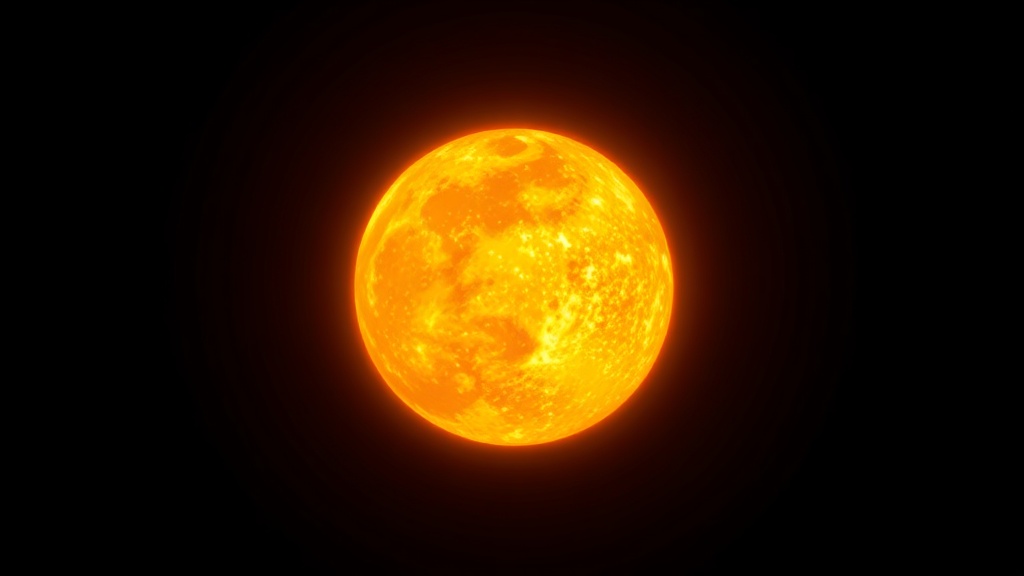
On January 3, 2026, at 8:15 p.m. Moscow time, Earth will achieve perihelion, marking its closest approach to the Sun. At this point, the distance between our planet and the star will be minimal for the year, measuring 147,099,586.2593 km. Consequently, the Sun's diameter will appear largest, stretching to 32 minutes and 35 seconds of arc.
This celestial event, while visually striking, carries a significant warning from astronomers regarding direct solar observation. Attempting to view or photograph the Sun without specialized protective filters poses a serious risk of severe eye burns. Safety precautions are paramount for anyone interested in witnessing this phenomenon.
While January is not typically the prime season for solar viewing, telescopes can still reveal surface details. Regardless of the season or equipment used, the Moscow Planetarium stresses that all visual observations of the Sun necessitate the use of a dedicated solar filter to ensure viewer safety.