feedzop-word-mark-logo
searchLogin
Feedzop
homeFor YouUnited StatesUnited States
You
bookmarksYour BookmarkshashtagYour Topics
Trending
Terms of UsePrivacy PolicyAboutJobsPartner With Us

© 2026 Advergame Technologies Pvt. Ltd. ("ATPL"). Gamezop ® & Quizzop ® are registered trademarks of ATPL.

Gamezop is a plug-and-play gaming platform that any app or website can integrate to bring casual gaming for its users. Gamezop also operates Quizzop, a quizzing platform, that digital products can add as a trivia section.

Over 5,000 products from more than 70 countries have integrated Gamezop and Quizzop. These include Amazon, Samsung Internet, Snap, Tata Play, AccuWeather, Paytm, Gulf News, and Branch.

Games and trivia increase user engagement significantly within all kinds of apps and websites, besides opening a new stream of advertising revenue. Gamezop and Quizzop take 30 minutes to integrate and can be used for free: both by the products integrating them and end users

Increase ad revenue and engagement on your app / website with games, quizzes, astrology, and cricket content. Visit: business.gamezop.com

Property Code: 5571

Home / Science / Earth Closest to Sun: See the Difference!

Earth Closest to Sun: See the Difference!

1 Jan

•

Summary

  • Earth reaches perihelion on January 3, 2026, its closest point to the Sun.
  • The Sun's diameter appears largest, measuring 32 minutes and 35 seconds.
  • Special solar filters are crucial for safe observation of the Sun.
Earth Closest to Sun: See the Difference!

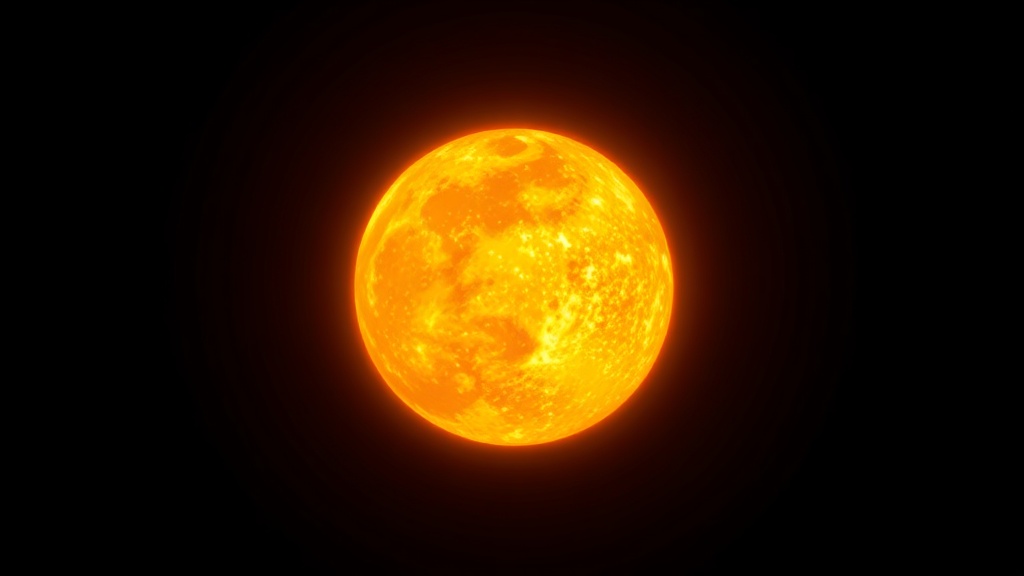
On January 3, 2026, at 8:15 p.m. Moscow time, Earth will achieve perihelion, marking its closest approach to the Sun. At this point, the distance between our planet and the star will be minimal for the year, measuring 147,099,586.2593 km. Consequently, the Sun's diameter will appear largest, stretching to 32 minutes and 35 seconds of arc.

This celestial event, while visually striking, carries a significant warning from astronomers regarding direct solar observation. Attempting to view or photograph the Sun without specialized protective filters poses a serious risk of severe eye burns. Safety precautions are paramount for anyone interested in witnessing this phenomenon.

While January is not typically the prime season for solar viewing, telescopes can still reveal surface details. Regardless of the season or equipment used, the Moscow Planetarium stresses that all visual observations of the Sun necessitate the use of a dedicated solar filter to ensure viewer safety.

Disclaimer: This story has been auto-aggregated and auto-summarised by a computer program. This story has not been edited or created by the Feedzop team.
Earth will reach its closest point to the Sun, known as perihelion, on January 3, 2026.
During perihelion, the Sun's diameter appears largest, measuring 32 minutes and 35 seconds of arc.
No, it is crucial to use special solar filters when observing or photographing the Sun to prevent eye damage.

Read more news on

Scienceside-arrowEarthside-arrow
trending

Jerusalem daycare babies dead

trending

Apple TV service disruption

trending

Mets acquire Luis Robert Jr.

trending

Severe geomagnetic storm alert

trending

Carlos Beltran Hall of Fame

trending

Mike McDaniel joins Chargers

trending

Texas winter storm watch

trending

Punta Cana tourism surge

trending

Miami Ohio basketball improves to 20-0

You may also like

ISS Crew Safe Amidst Major Solar Storm

13 hours ago • 15 reads

article image

Stellar Wake Uncovers Betelgeuse's Secret Partner

13 hours ago • 5 reads

article image

Giant Snow Fort Boosts Manitoba Winter Tourism

9 Jan • 65 reads

Ancient Comet Older Than Sun Stuns Scientists

6 Jan • 103 reads

article image

ISS Sunrise: Japan's Astronaut Shares Cosmic New Year

4 Jan • 98 reads

article image