Home / Science / Earliest Cannabis Use Found in Ancient Tomb
Earliest Cannabis Use Found in Ancient Tomb
5 Nov
Summary
- Hair analysis revealed cannabis use in a 2,800-year-old burial.
- Scythians, nomadic horse riders, may have used cannabis.
- Cannabis seeds were also found in the Siberian burial mound.
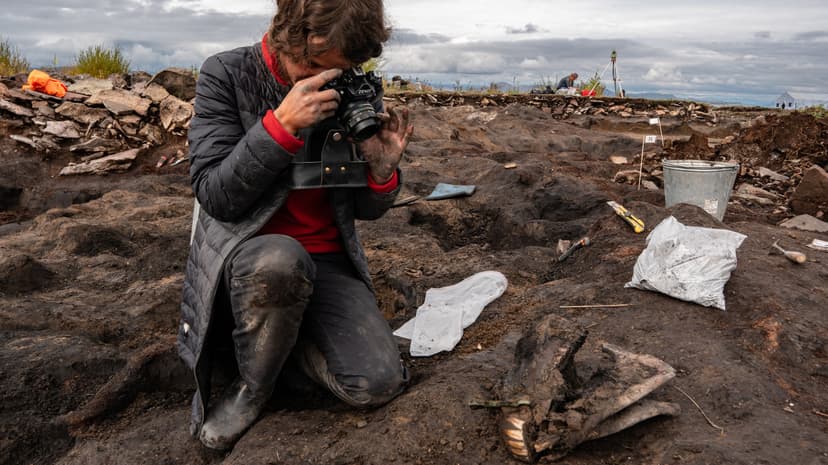
Analysis of hair discovered in a 2,800-year-old Scythian burial mound in southern Siberia has revealed the earliest known evidence of psychoactive cannabis use. The findings, published in the journal Science, indicate that humans were consuming cannabis at least three centuries before previous estimates.
The Scythians, a nomadic people known for their equestrian skills and warrior culture, inhabited the Eurasian steppes. During an excavation of the Tunnug 1 burial site, archaeologists uncovered not only human remains and gold jewelry but also hundreds of cannabis seeds. This led scientists to test strands of human hair found at the scene.
The positive drug test results for cannabis from the ancient hair are a significant archaeological discovery. They prompt further questions about the extent and purpose of cannabis use within the cultural practices of ancient nomadic peoples across Asia.


