Home / Science / Beetle Diversity Fuels Forest Health in Valmiki Reserve
Beetle Diversity Fuels Forest Health in Valmiki Reserve
2 Mar
Summary
- Valmiki Tiger Reserve hosts approximately 75 species of dung beetles.
- Dung beetle diversity indicates presence of large mammals and forest health.
- Large herbivore dung supports the most dung beetle species.
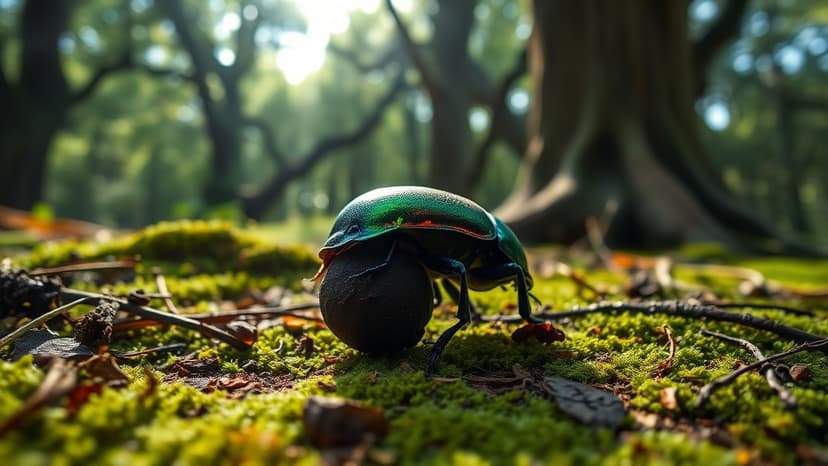
Researchers have discovered remarkable dung beetle diversity within Bihar's Valmiki Tiger Reserve, emphasizing their vital role in ecological balance. The study, published in the Journal of Asia-Pacific Entomology, identified approximately 75 species of dung beetles in the reserve. Field surveys revealed that sal forests with Phoenix vegetation were particularly rich in these insects.
Lead researcher Sourabh Verma noted that dung beetles are essential but often overlooked components of forest ecosystems. Their abundance and diversity serve as indicators of large mammal populations and forest habitat quality, with declines signaling ecological stress. These insects are critical for nutrient recycling and soil enrichment.
The study also highlighted the dependency of dung beetle communities on megafauna. Dung from large herbivores such as elephants and gaur supported the highest number of beetle species. Maintaining a balance between generalist and specialist beetle species is crucial for ecosystem resilience, as the collapse of these services can occur when key mammals disappear.