

Home / Science / Cocaine in Rivers Makes Salmon Swim Wildly
Cocaine in Rivers Makes Salmon Swim Wildly
20 Apr
Summary
- Cocaine traces in water disrupt juvenile salmon behavior and movement.
- Exposed salmon swam farther and dispersed more widely in a lake.
- Metabolites, not just cocaine, significantly impact fish movement.
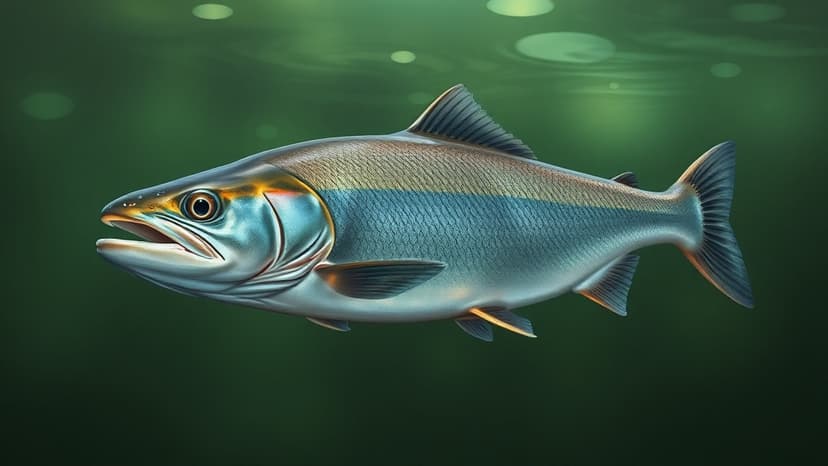
Research indicates that environmental levels of cocaine and its primary metabolite can accumulate in salmon brains, significantly altering their behavior. Juvenile Atlantic salmon exposed to these substances in controlled conditions swam further and dispersed more widely within a lake, affecting their movement and potentially their vulnerability to predators.
The study, conducted on Lake Vättern in Sweden, found that the metabolite benzoylecgonine had a particularly pronounced effect. This suggests that focusing solely on the parent drug may overlook a substantial portion of the environmental risk posed to aquatic organisms.
Scientists observed that the exposed salmon became more active, swimming considerably longer distances and venturing further north in the lake compared to control groups. This behavioral change could lead to increased energy expenditure or greater exposure to predation, impacting the overall condition of the fish populations.
Concerns about pharmaceutical pollution in waterways are escalating, with previous reports linking antidepressants to altered fish behavior and trout showing signs of addiction to other drugs. Improving wastewater management, especially reducing raw sewage discharges, is crucial to mitigate these risks to aquatic ecosystems.
