Home / Science / Cloning Limit Found: Mammals Can't Be Copied Forever
Cloning Limit Found: Mammals Can't Be Copied Forever
24 Mar
Summary
- Mammals cannot be cloned indefinitely, research confirms.
- Mice clones died after 58 generations due to mutations.
- Sexual reproduction is vital for long-term species survival.
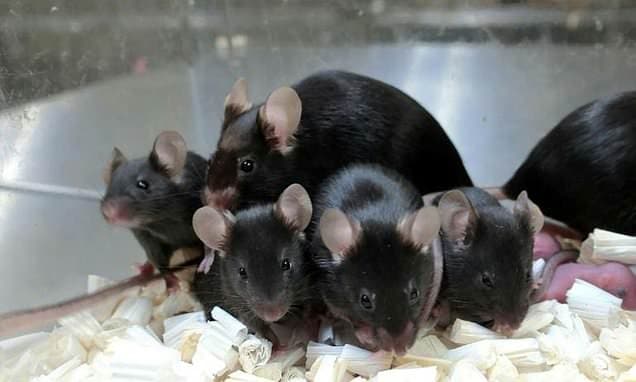
Mammals have a definitive limit on how many times they can be cloned, according to new research conducted on mice. Over two decades, scientists observed that after the 58th generation of cloned mice, the offspring failed to survive, marking the first empirical demonstration of this limitation.
The study, initiated in 2005, involved cloning mice repeatedly over 20 years. Initially, the success rate of cloning improved, leading to hopes of indefinite cloning. However, a critical turning point emerged around the 25th generation, with a significant accumulation of harmful genetic mutations.
By the 57th generation, survival rates dropped drastically, and all mice in the 58th generation died shortly after birth. Genome sequencing revealed these clones had three times more mutations than sexually reproduced mice, indicating a 'mutational meltdown.'
Interestingly, later generation clones (57th) that mated with non-cloned males produced healthy offspring with fewer mutations. This underscores the crucial role of sexual reproduction in preventing the accumulation of deleterious mutations and ensuring the long-term survival of mammalian species, supporting the theory of Muller's ratchet.