

Home / Science / China's Seabed: A Chemical Treasure Map Unveiled
China's Seabed: A Chemical Treasure Map Unveiled
17 Apr
Summary
- Scientists mapped dozens of chemical elements in China's eastern waters.
- Machine learning enhanced accuracy for element distribution patterns.
- Data aids in pollution identification and resource exploration.
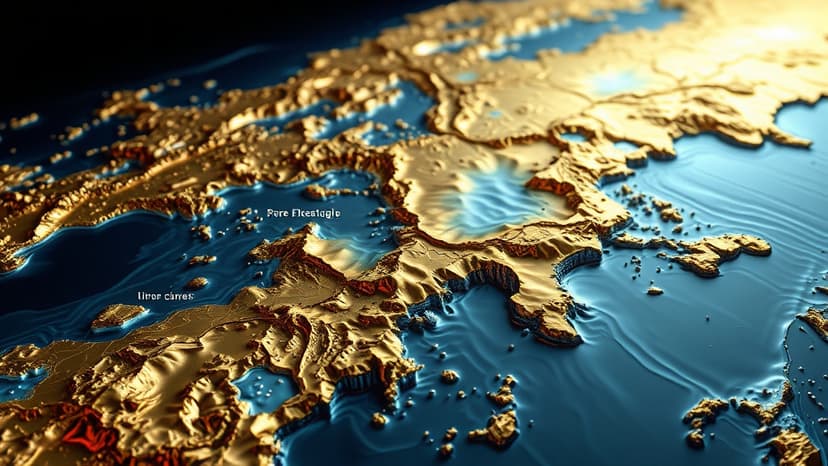
Chinese scientists have meticulously mapped the chemical composition of the seabed in the nation's eastern waters, a project drawing on nearly twenty years of marine geological surveys. This effort has resulted in the most extensive geochemical dataset ever compiled for the Bohai Sea, Yellow Sea, and East China Sea.
The research team integrated data from over 10,000 stations and employed machine learning to ensure accuracy, even in areas with sparse data. This enabled the creation of detailed maps showing the locations and distribution patterns of numerous chemical elements, including iron, manganese, copper, and rare earth elements.
These new maps are expected to serve as a vital "navigation chart" for the region. They will assist in identifying polluted zones and ecologically sensitive areas, supporting the establishment of marine ecological protection red lines. Furthermore, the data will aid in controlling marine pollution and risks, as well as pinpointing seabed mineral resources for more efficient exploration.
Beyond practical applications, the seabed's sediment layers, akin to a "thick marine diary," hold clues to Earth's evolutionary history, including continental drift and climate change. By comparing sediment characteristics from various rivers and coastal areas, scientists are gaining insights into geological processes and past environmental conditions.

