feedzop-word-mark-logo
searchLogin
Feedzop
homeFor YouUnited StatesUnited States
You
bookmarksYour BookmarkshashtagYour Topics
Trending
trending

Powerball jackpot nears one billion

trending

John Stamos joins Hunting Wives

trending

Taylor Swift Eras Tour docuseries

trending

Wendy Williams guardianship could end

trending

Stephen King saved HBO show

trending

Massachusetts blocks sports prediction market

trending

Detroit schools closed due winter

trending

South Korea: Label AI ads

trending

Conduent data breach millions hit

Terms of UsePrivacy PolicyAboutJobsPartner With Us

© 2025 Advergame Technologies Pvt. Ltd. ("ATPL"). Gamezop ® & Quizzop ® are registered trademarks of ATPL.

Gamezop is a plug-and-play gaming platform that any app or website can integrate to bring casual gaming for its users. Gamezop also operates Quizzop, a quizzing platform, that digital products can add as a trivia section.

Over 5,000 products from more than 70 countries have integrated Gamezop and Quizzop. These include Amazon, Samsung Internet, Snap, Tata Play, AccuWeather, Paytm, Gulf News, and Branch.

Games and trivia increase user engagement significantly within all kinds of apps and websites, besides opening a new stream of advertising revenue. Gamezop and Quizzop take 30 minutes to integrate and can be used for free: both by the products integrating them and end users

Increase ad revenue and engagement on your app / website with games, quizzes, astrology, and cricket content. Visit: business.gamezop.com

Property Code: 5571

Home / Science / Not Radiation: Why Chernobyl Dogs Turned Blue

Not Radiation: Why Chernobyl Dogs Turned Blue

6 Dec

•

Summary

  • Chernobyl dogs developed bright blue fur overnight.
  • The unusual color is likely from rolling in a tipped-over porta-potty.
  • These dogs have genetically adapted to survive toxic environments.
Not Radiation: Why Chernobyl Dogs Turned Blue

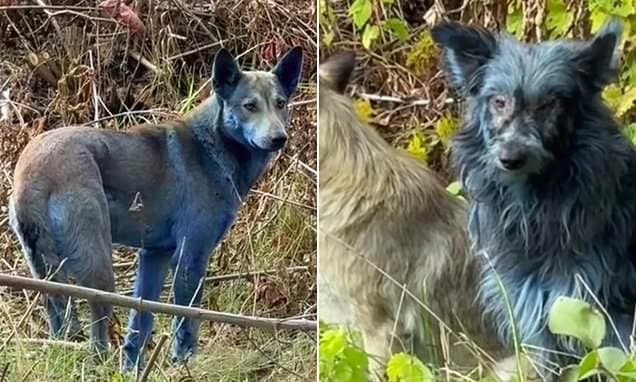
Dogs living within the Chernobyl Exclusion Zone have recently baffled observers with bright blue fur, sparking social media speculation that radiation caused the startling change. The Dogs of Chernobyl program, which cares for approximately 700 dogs descended from pets abandoned after the 1986 disaster, initially shared images of three dogs with blue fur, noting they appeared healthy. These animals, descendants of pets left behind during the 1986 nuclear disaster, were healthy and active.

While many suspected radiation, experts now suggest the blue coloration is a result of external contamination, likely from the dogs rolling in a tipped-over porta-potty. This explanation aligns with local reports that the dogs were not blue the week prior. Scientists have been studying the animals in the exclusion zone for years, noting their unique adaptations to the toxic environment.

Further research has revealed that dogs in the Chernobyl Exclusion Zone have developed genetic mutations, making them surprisingly immune to radiation, heavy metals, and pollution. These adaptations allow them to thrive in an environment that remains highly toxic, demonstrating a remarkable evolutionary response to extreme conditions. The findings suggest these populations have survived chronic exposure to multiple environmental hazards.

Disclaimer: This story has been auto-aggregated and auto-summarised by a computer program. This story has not been edited or created by the Feedzop team.
Scientists determined the blue fur was likely from the dogs rolling in a tipped-over porta-potty, not radiation.
Yes, studies show these dogs have genetically adapted and are immune to radiation and toxic pollution.
It's an initiative that provides food and medical care to stray dogs living within the Chernobyl Exclusion Zone.

Read more news on

Scienceside-arrow

You may also like

Typhoon Survivors Sue Oil Giant for Climate Damages

5 hours ago • 2 reads

article image

Chernobyl's Shield Damaged by Drone, IAEA Warns

7 Dec • 16 reads

article image

Chernobyl Fungus Eats Radiation, Offers Space Shield

2 Dec • 50 reads

article image

Scotland Nuclear Site Finds 'Significant' Radioactive Fragment

1 Dec • 42 reads

article image

Japan Bets Big on Nuclear Power's Risky Revival

1 Dec • 71 reads

article image