

Home / Science / Scientists Reverse Aging in Lab: The Future of Longevity?
Scientists Reverse Aging in Lab: The Future of Longevity?
27 Apr
Summary
- Cells can be rejuvenated, reversing accumulated DNA damage.
- Early human trials for rejuvenation therapy have begun.
- Cellular rejuvenation aims to cure diseases and extend life.
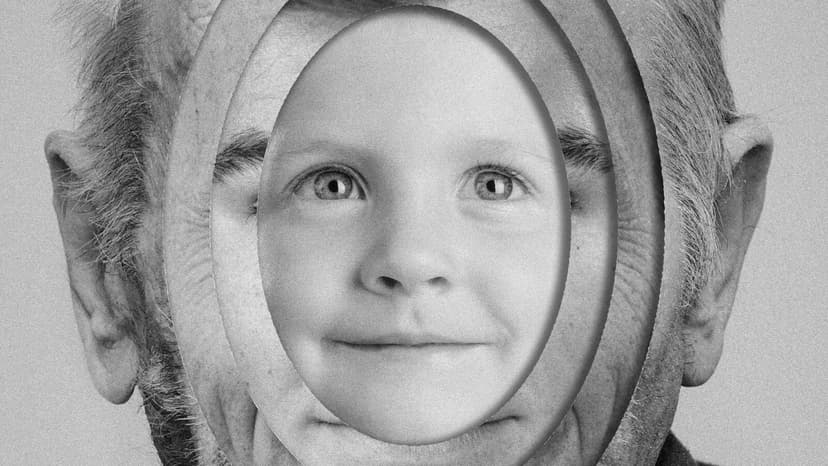
The natural phenomenon of cellular rejuvenation, where cells reverse accumulated damage, is a focus of intense scientific research. While conception involves aged components, embryonic cells mysteriously revert to a youthful state, a process only recently understood.
Scientists have demonstrated the ability to trigger rejuvenation in labs, restoring aged skin cells and rejuvenating organs in animals. Initial human safety trials have commenced, exploring therapeutic applications for conditions like glaucoma and aiming to reverse disease.
This cutting-edge longevity research, spearheaded by entities like Altos Labs and researchers like Juan Carlos Izpisua Belmonte and David Sinclair, explores partial epigenetic reprogramming. This involves precisely manipulating molecular markers on DNA to reset cellular function.
Challenges remain, including ensuring safety and determining the extent of rejuvenation possible in humans. While some advocate for "age reversal," others emphasize reversing specific diseases and disabilities to improve healthspan. The ultimate goal is to enhance human longevity and well-being.
