Home / Science / Scientists Hack Generosity Centers in Brain
Scientists Hack Generosity Centers in Brain
13 Feb
Summary
- Electrical stimulation of brain areas increases money sharing.
- Effects of stimulation are temporary, requiring repetition for lasting change.
- This discovery could aid in treating disorders affecting social behavior.
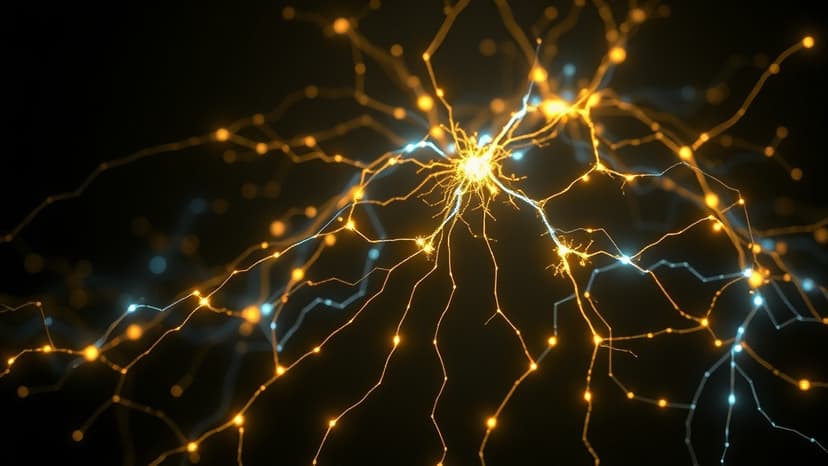
Scientists have identified a method to temporarily reduce selfishness by stimulating key areas of the brain. Experiments conducted at the University of Zurich involved 44 volunteers who decided on monetary distributions to anonymous partners. Simultaneous electrical stimulation of the frontal and parietal brain regions led participants to allocate more funds to their partners.
While the observed effects were statistically consistent, they were not substantial. Professor Christian Ruff noted that this method could be beneficial for individuals experiencing difficulties with social behavior due to an inability to consider others' perspectives. The immediate impact of the stimulation is temporary, with repeated sessions likened to regular gym workouts for achieving lasting changes.
This research builds upon prior studies that monitored brain activity during similar money-sharing games. Those earlier investigations pinpointed the two brain areas—involved in decision-making and empathy—that communicate intensely when more selfless choices are made. The current study aimed to determine if electrical stimulation could intentionally encourage altruistic decisions, with volunteers reporting no conscious awareness of the stimulation influencing their choices.
The findings suggest that altruism might be an ingrained human trait. The ability to influence this mechanism is considered clinically significant, as it provides evidence of cause and effect. By altering communication within a specific brain network non-invasively, researchers observed a shift in how participants balanced self-interest against the interests of others. The study was conducted under strict ethical regulations, with informed consent from all participants.