Home / Science / Biology's Second Genesis: Are We Ready?
Biology's Second Genesis: Are We Ready?
4 Feb
Summary
- New technologies allow rapid synthesis of complex DNA genomes.
- AI now predicts protein folding, enabling novel protein creation.
- Synthetic species could offer innovations but pose safety and ethical risks.
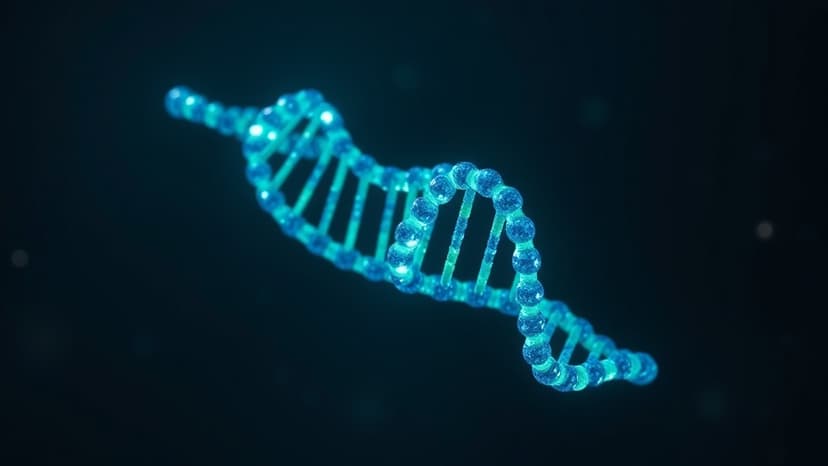
The field of biology is on the brink of a revolution, poised to transition from a descriptive science to a generative one. This shift, termed a 'second Genesis,' will soon see humans creating entirely new species, not just dreaming them up. Advancements in synthesizing DNA fragments of unprecedented complexity and AI's ability to solve protein folding problems have paved the way for this transformative era.
These breakthroughs mean novel proteins can now be designed, and with them, new life forms. Potential applications range from biofuels and medicines to drought-resistant crops and even bio-grown structures. However, this power comes with significant ethical and safety challenges. The article highlights concerns about the blurring lines between natural and artificial life, the potential misuse of synthetic pathogens by bioterrorists, and the risk of destabilizing ecosystems, such as the ocean's carbon cycle.
While the author backs a ban on designer babies and parentless humans, he argues against halting genomics research due to its immense potential benefits. Nevertheless, the risks of unintended consequences and the difficulty in tracking creations as technology becomes more accessible are serious considerations that demand careful navigation.