Home / Science / Beavers: Nature's Climate Change Engineers?
Beavers: Nature's Climate Change Engineers?
23 Mar
Summary
- Beaver dams and ponds create carbon sinks, drawing in more carbon than released.
- Study found beaver wetlands sequestered 108 to 146 tons of carbon per year.
- Beavers could offset 1.2% to 1.8% of Switzerland's annual carbon emissions.
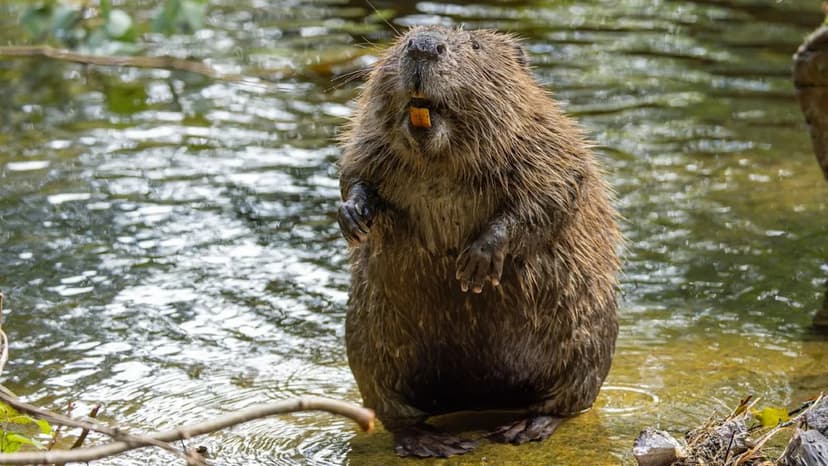
Beavers' industrious dam-building habits are now understood to create significant carbon sinks, according to a recent study. These natural engineers transform stream corridors into environments that absorb more carbon dioxide than they emit annually. This discovery is crucial for efforts to reintroduce Eurasian beavers across Europe.
The research, conducted on a beaver-influenced stream in northern Switzerland, measured carbon levels in sediments, biomass, and the atmosphere. The findings indicated that the wetland sequestered between 108 and 146 tons of carbon per year. This capacity could potentially offset a notable percentage of national carbon emissions.
Experts emphasize that while beavers are not a sole solution to climate change, their role in sequestering greenhouse gases offers a low-cost, ecologically sound method for enhancing landscape sustainability. The study counters the misconception that wetlands, which can emit carbon, might not be worth restoring, highlighting their durable carbon-storing potential.