Home / Science / Bears Go Docile: Human Impact on Evolution
Bears Go Docile: Human Impact on Evolution
16 Dec, 2025
Summary
- Marsican brown bears evolved smaller, less aggressive traits over centuries.
- Human culling likely favored docile genes in isolated bear populations.
- Conservationists caution against introducing aggressive bears to dwindling gene pool.

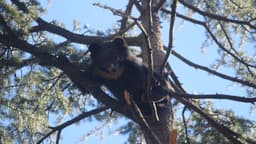
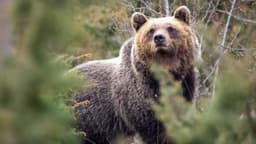
Brown bears inhabiting central Italy have undergone evolutionary changes, becoming less aggressive due to sustained human influence. Isolated from other European brown bear populations since the Roman era, these Marsican bears exhibit smaller size and a calmer disposition, likely driven by interactions with encroaching human settlements and agriculture.
Scientific investigation, involving gene mapping of Marsican bears and comparison with Slovakian and American brown bears, revealed a distinct selection for reduced aggression. Researchers posit that historical human culling of more aggressive individuals inadvertently fostered a more docile lineage. This trait is considered vital for the survival of this critically endangered subspecies.
With only about 60 Marsican brown bears left, conservationists emphasize preserving their unique genetic makeup. Introducing bears with more aggressive temperaments is cautioned against, as it could dilute the gene pool and undermine the adaptations that help them coexist with humans. Similar human-driven evolutionary shifts have been observed in polar bears and codfish.