

Home / Science / Moon Race: AI Supremacy Goes Extraterrestrial
Moon Race: AI Supremacy Goes Extraterrestrial
2 Apr
Summary
- Artemis II marks a return to crewed lunar missions, signaling a new space race.
- Elon Musk now sees the Moon as a faster path to AI infrastructure than Mars.
- China also plans 'space clouds' for AI, challenging US dominance by 2030.
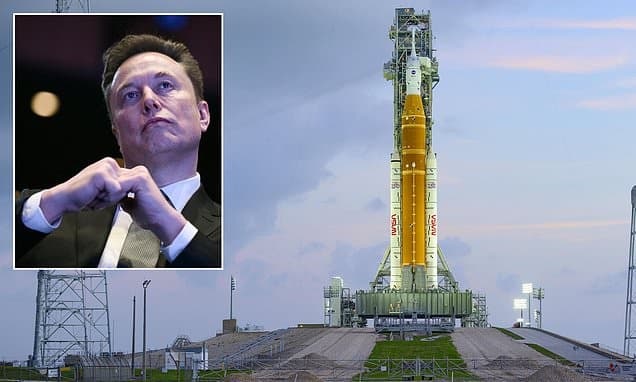
The Artemis II mission, launching from Cape Canaveral, signifies a symbolic return to the Moon for the United States, marking the first crewed flight since 1972. This campaign aims to establish a human presence beyond Earth and counter China's own lunar ambitions, which target a crewed landing by 2030. The program represents a significant step in an escalating infrastructure race with Beijing, particularly concerning extraterrestrial AI development.
Elon Musk, initially critical of Artemis, now champions it as vital for spaceflight advancement. He believes SpaceX can establish a self-growing lunar city within a decade, prioritizing it over Mars for securing civilization's future. Simultaneously, Musk advocates for space-based AI data centers, citing terrestrial limitations like energy and cooling.
China Aerospace Science and Technology Corporation is developing its own 'gigawatt-class space digital-intelligence infrastructure,' aiming for industrial-scale 'space clouds' by 2030, fueled by space-based solar power. While Musk's reusable rockets currently give him an edge, China's focus on 'space clouds' in its five-year plan highlights their commitment to this new frontier.
Establishing off-world AI infrastructure faces challenges, including radiation and maintenance. However, the Artemis program, including the recent shift to a $20 billion permanent lunar base instead of the Lunar Gateway, is creating the necessary ecosystem for sustained lunar operations. This effort, along with private investment, suggests the race for AI supremacy is increasingly moving beyond Earth.

