

Home / Science / Astronaut Health: What 10 Days in Space Does to You
Astronaut Health: What 10 Days in Space Does to You
1 Apr
Summary
- Astronauts face radiation causing nausea and motion sickness.
- Fluid shifts can cause discomfort, headaches, and swelling.
- Bone and muscle loss can begin within days, needing exercise.
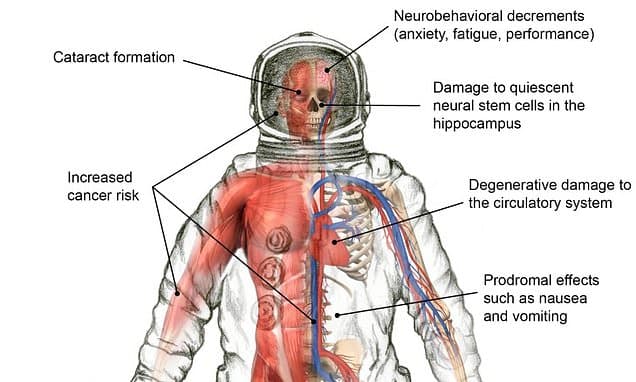
Four astronauts are preparing for a 10-day mission to the moon, a journey of 685,000 miles. While shorter than extended ISS stays, this voyage presents unique health hazards. Exposure to space radiation may trigger nausea, and the body's adaptation to microgravity can cause space motion sickness and fluid shifts, leading to discomfort and swelling.
Sleep disturbances due to altered light cycles and artificial lighting are expected. Mental stress from isolation and mission demands could also impact performance. Although bone and muscle deconditioning are less severe than on month-long missions, they can still commence within a few days, emphasizing the need for in-flight exercise.
This mission aims to test spacecraft systems and gather crucial biological data on deep-space travel. The findings will inform future endeavors, including establishing a long-term lunar presence and eventual missions to Mars. NASA identifies space radiation, isolation, distance, gravity, and hostile environments as key hazards for human spaceflight.
