

Home / Science / NASA Simulates Moonwalks for Artemis II Crew
NASA Simulates Moonwalks for Artemis II Crew
9 Apr
Summary
- Astronauts test strength and agility after 10 days in space.
- Robotic crane and test suit simulate lunar gravity conditions.
- Experiments plan for future missions to the Moon and Mars.
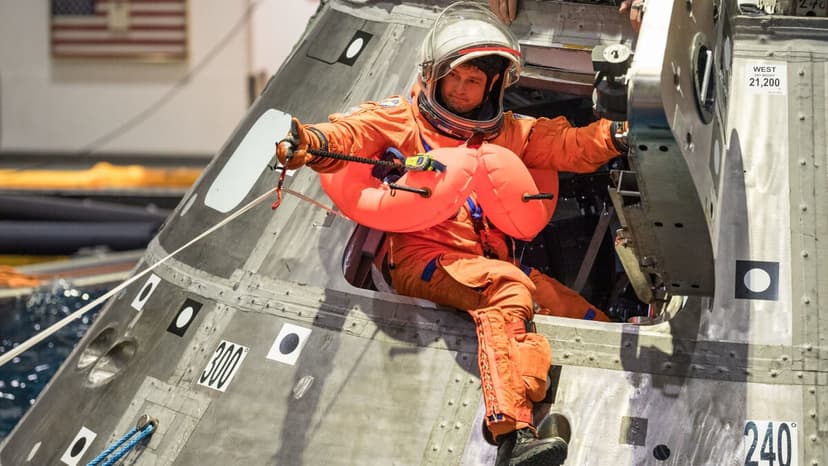
Hours after their Friday, April 10 splashdown, the Artemis II crew will undergo critical physiological testing. NASA scientists will use a giant robotic crane and heavy test suits to simulate lunar gravity, assessing astronaut readiness for extravehicular activities. This research stems from studies with International Space Station crews who experience muscle atrophy and balance issues after long-duration missions.
The experiments aim to determine how soon astronauts can safely perform tasks in a weakened state. The Active Response Gravity Offload System (ARGOS) will be tuned to lunar gravity, simulating challenging moonwalk scenarios. This includes tasks like exiting a mock lander, performing geology drills, and navigating uneven terrain under significant physical strain.
These simulations are vital for mission planning, helping NASA define the aggressiveness of lunar excursions and the timing of demanding jobs. While past tests show astronauts improve significantly within a week, these short-duration Artemis II tests provide a cautious baseline for future lunar and Martian exploration. The crew's participation directly contributes to ensuring astronaut safety and mission success.
