Home / Science / Archaea: Life's Hidden Branch Discovered
Archaea: Life's Hidden Branch Discovered
12 Mar
Summary
- Archaea, discovered in the 1970s, are a distinct branch of life.
- These microorganisms share cellular aspects with plants and animals.
- Life's evolution involves separation and reunion of early cells.
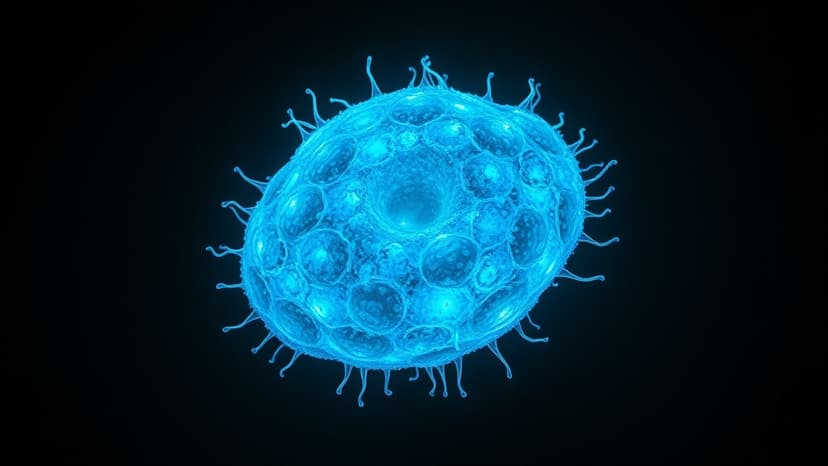
In the 1970s, a groundbreaking scientific discovery revealed microorganisms known as archaea. Microbiologist Carl Woese realized these tiny organisms were not bacteria but represented an entirely different domain of life.
Archaea, as Woese named them, exhibit cellular traits similar to plants and animals. They thrive in diverse and often harsh environments, from salty lakes to deep-sea beds and even within animal guts.
Further research indicates that life's history is a complex journey of divergence and merging. Initially, cells split into bacteria and archaea billions of years ago. Some of these ancient cells later combined, forming the complex cellular structures that constitute modern plants and animals.