feedzop-word-mark-logo
searchLogin
Feedzop
homeFor YouUnited StatesUnited States
You
bookmarksYour BookmarkshashtagYour Topics
Trending
trending

Vikings plane emergency landing

trending

Dollar General price-gouging settlement

trending

Afcon 2025 Morocco hosts

trending

Seneca Meadows landfill court case

trending

Winter solstice shortest day today

trending

Murakami signs with White Sox

trending

Travis Kelce retirement decision looms

trending

Nick Chubb injury update

trending

Bayern Munich: Ramos, Pepe threats

Terms of UsePrivacy PolicyAboutJobsPartner With Us

© 2025 Advergame Technologies Pvt. Ltd. ("ATPL"). Gamezop ® & Quizzop ® are registered trademarks of ATPL.

Gamezop is a plug-and-play gaming platform that any app or website can integrate to bring casual gaming for its users. Gamezop also operates Quizzop, a quizzing platform, that digital products can add as a trivia section.

Over 5,000 products from more than 70 countries have integrated Gamezop and Quizzop. These include Amazon, Samsung Internet, Snap, Tata Play, AccuWeather, Paytm, Gulf News, and Branch.

Games and trivia increase user engagement significantly within all kinds of apps and websites, besides opening a new stream of advertising revenue. Gamezop and Quizzop take 30 minutes to integrate and can be used for free: both by the products integrating them and end users

Increase ad revenue and engagement on your app / website with games, quizzes, astrology, and cricket content. Visit: business.gamezop.com

Property Code: 5571

Home / Science / New Test Reveals Hidden 'Mind Blindness' Condition

New Test Reveals Hidden 'Mind Blindness' Condition

21 Dec

•

Summary

  • Aphantasia is a condition where individuals cannot form mental images.
  • Australian researchers developed a new objective test for aphantasia.
  • The test monitors pupillary response to visualized imagery.
New Test Reveals Hidden 'Mind Blindness' Condition

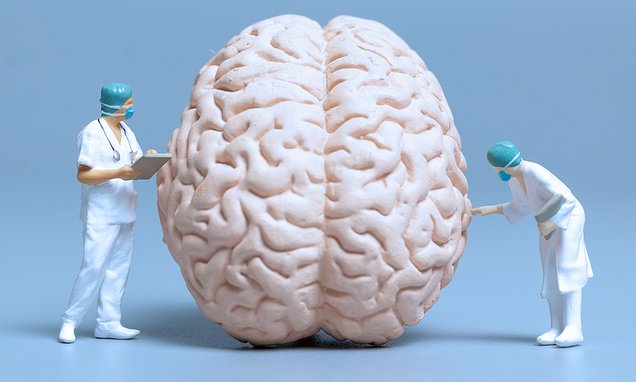
A revolutionary biological test developed by Australian scientists at the University of New South Wales can now identify aphantasia, a condition characterized by the inability to form mental images. This invisible condition, affecting an estimated two to five percent of the global population, often remains undiagnosed throughout individuals' lives.

The groundbreaking research, published in 2022, focuses on monitoring pupillary responses. While individuals with and without aphantasia show normal pupil reactions to actual light stimuli, a key difference emerges when asked to visualize images. Those with aphantasia exhibit no pupillary change when imagining light or dark shapes, confirming a unique physiological marker for the condition.

This new objective test debunks the notion that individuals with aphantasia are not attempting mental imagery. Researchers observed pupil dilation in aphantasia sufferers when imagining multiple objects, indicating mental effort. This discovery provides the first physiological evidence and a reliable method to detect aphantasia, offering hope for diagnosis and understanding.


Disclaimer: This story has been auto-aggregated and auto-summarised by a computer program. This story has not been edited or created by the Feedzop team.
University of New South Wales researchers have identified aphantasia as a condition where individuals are unable to form mental images, detected through pupillary response tests.
The test monitors pupil dilation; individuals with aphantasia show no change when visualizing light or dark images, unlike others.
Yes, Australian researchers have developed the first objective biological test using pupillary response to help diagnose aphantasia.

Read more news on

Scienceside-arrow

You may also like

Social isolation linked to dementia risk

4 Dec • 91 reads

article image

Romanian Search for Missing UK Student Suspended

5 Dec • 77 reads

article image

Can Antidepressants Stop Domestic Violence?

2 Dec • 103 reads

article image

Baby Dies Amid Critical Hospital Staff Shortage

1 Dec • 88 reads

article image

Ecologist Flees US After Beach Access Threats

19 Nov • 146 reads

article image