feedzop-word-mark-logo
searchLogin
Feedzop
homeFor YouUnited StatesUnited States
You
bookmarksYour BookmarkshashtagYour Topics
Trending
Terms of UsePrivacy PolicyAboutJobsPartner With Us

© 2026 Advergame Technologies Pvt. Ltd. ("ATPL"). Gamezop ® & Quizzop ® are registered trademarks of ATPL.

Gamezop is a plug-and-play gaming platform that any app or website can integrate to bring casual gaming for its users. Gamezop also operates Quizzop, a quizzing platform, that digital products can add as a trivia section.

Over 5,000 products from more than 70 countries have integrated Gamezop and Quizzop. These include Amazon, Samsung Internet, Snap, Tata Play, AccuWeather, Paytm, Gulf News, and Branch.

Games and trivia increase user engagement significantly within all kinds of apps and websites, besides opening a new stream of advertising revenue. Gamezop and Quizzop take 30 minutes to integrate and can be used for free: both by the products integrating them and end users

Increase ad revenue and engagement on your app / website with games, quizzes, astrology, and cricket content. Visit: business.gamezop.com

Property Code: 5571

Home / Science / Antarctic Cold Hides Protein Secrets for Medicine

Antarctic Cold Hides Protein Secrets for Medicine

16 Jan

•

Summary

  • Antarctic ocean life thrives due to cold, supporting large species.
  • Warming oceans disrupt slow reproductive cycles of Antarctic species.
  • Antarctic sub-zero biology may hold keys to diseases like Alzheimer's.
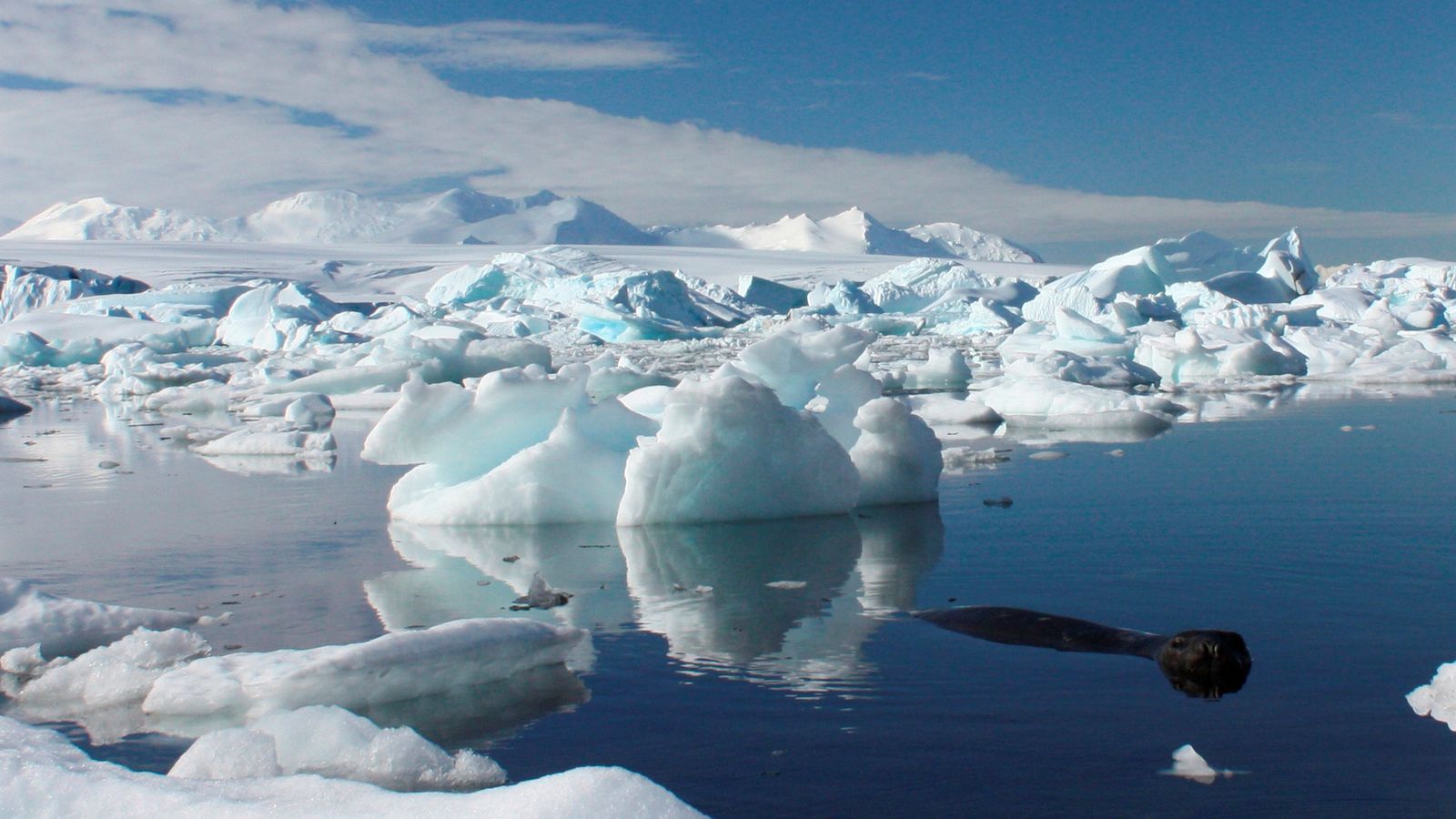
Antarctic Cold Hides Protein Secrets for Medicine

In the frigid Antarctic waters near the Rothera research station, marine biologists are conducting vital research into sub-zero ocean life. This unique ecosystem supports species exhibiting 'polar gigantism,' growing much larger due to the cold, oxygen-rich environment. However, this slow-growing, slow-reproducing biology is highly vulnerable to the Antarctic's rapid warming, threatening many species as their life cycles are disrupted by even minor temperature increases.

The British Antarctic Survey's dive team has been surveying the same seabed sites for nearly 30 years, providing crucial data on ecosystem changes. Their research aims to understand how marine life copes with climate change and to explore the cellular and molecular mechanisms that allow life to exist at sub-zero temperatures. A key focus is how proteins in these animals avoid sticking together, a phenomenon that could offer insights into treating human diseases like Alzheimer's and CJD.

Amidst the climate concerns, there are signs of recovery, with whale populations, particularly humpbacks, making a strong comeback in the bay following the ban on whaling 40 years ago. Receding sea ice has also allowed these marine mammals to return. Despite these optimistic signs, the rapid pace of Antarctic warming presents a significant challenge for its slow-adapting cold-water biology.

Disclaimer: This story has been auto-aggregated and auto-summarised by a computer program. This story has not been edited or created by the Feedzop team.
Polar gigantism is the phenomenon where species in cold polar oceans grow much larger than their relatives in warmer waters due to higher oxygen levels.
Warming disrupts the slow reproductive cycles of Antarctic species, causing larvae to hatch in winter with no food or light, potentially leading to failure.
Yes, understanding how Antarctic animals' proteins avoid sticking together in the cold could shed light on mechanisms behind diseases like Alzheimer's.

Read more news on

Scienceside-arrow
trending

Spotify Premium price increase

trending

Simons scores 39 points

trending

Crosby leads Penguins past Flyers

trending

HPV vaccine hesitancy rises

trending

Warriors criticized over Kuminga situation

trending

Jets beat Wild 6-2

trending

Flu shots best protection

trending

Wembanyama returns, Spurs beat Bucks

trending

Texas vs South Carolina basketball

You may also like

Whale Found Dead on Ship Bow in NJ Port

7 Jan • 50 reads

article image

Ocean's Hidden Highways Revealed!

5 Jan • 61 reads

article image

Hawaii Sperm Whale Dies From Marine Debris Ingestion

4 Jan • 75 reads

article image

Drones Capture Whale Breath for Disease Discovery

3 Jan • 82 reads

article image

Warming Antarctic Threatens Adelie Penguins

20 Dec, 2025 • 154 reads

article image