Home / Science / Antarctic Fish Have Built-In Antifreeze
Antarctic Fish Have Built-In Antifreeze
24 Mar
Summary
- Antarctic fish produce antifreeze proteins to survive sub-freezing waters.
- One species, the icefish, lacks hemoglobin and has clear blood.
- Climate change threatens Antarctica's unique cold-adapted wildlife.

In the frigid waters of Antarctica, a group of fish known as notothenioids have developed an extraordinary adaptation: antifreeze blood. These fish produce special antifreeze glycoproteins that prevent ice crystals from forming, enabling them to survive in the Southern Ocean's sub-zero temperatures. One particularly fascinating species is the blackfin icefish, which is the only known vertebrate without hemoglobin, the oxygen-carrying protein in red blood cells, resulting in clear blood.
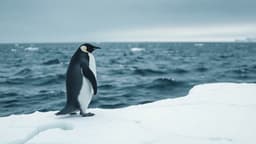
Antarctica's wildlife showcases remarkable resilience to extreme cold. Emperor penguins huddle in massive groups, emperor seals dive for extended periods, Antarctic krill employ survival strategies like shrinking, and snow petrels nest in icy crevices. These species have unique abilities to endure temperatures as low as -60°C and navigate harsh, windswept conditions.
However, this specialized environment is increasingly threatened by climate change. Warming oceans and reduced sea ice disrupt salinity, oxygen levels, and the entire food chain, posing a significant risk to cold-adapted species. Declining krill populations, a vital food source, could trigger a cascade effect, impacting larger animals like whales, penguins, and seals. Collective action, including reducing carbon footprints and supporting climate agreements, is essential to protect this unique polar biodiversity.