

Home / Science / Deep-Sea Mystery: Anglerfish Lures Attract More Than Food
Deep-Sea Mystery: Anglerfish Lures Attract More Than Food
17 Apr
Summary
- Anglerfish lures evolved diverse shapes and functions to attract prey.
- Bioluminescent lures likely aid in mate attraction in dark depths.
- Lures may have first appeared 72 million years ago, evolving bioluminescence later.
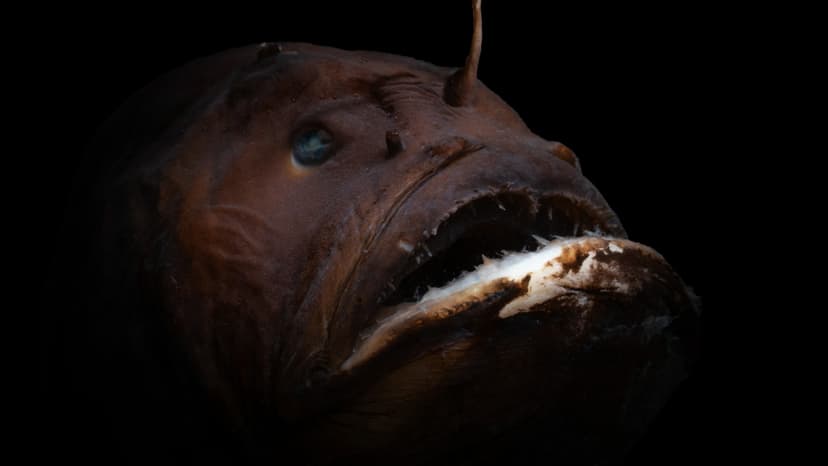
Anglerfish, particularly females, exhibit an extraordinary variety in their lures, specialized dorsal fins used to attract prey. Some lures possess bioluminescent bacteria, while others employ unique chemical sprays. Biologist Alex Maile's research, published in Ichthyology and Herpetology, examined over 100 anglerfish species. By analyzing preserved specimens and DNA, scientists constructed a detailed family tree.
The study suggests that the diversity of these lures evolved not only to lure food but also to attract mates. Fossil evidence indicates that lures may have first appeared 72 million years ago, likely without bioluminescence. Approximately 40 million years later, bioluminescent capabilities emerged, leading to a higher diversification rate in these species.
The deep-sea environment, characterized by darkness and scarcity of food, makes these glowing lures particularly advantageous. They serve a dual purpose: securing meals and signaling to potential mates in the frigid, pitch-black ocean depths. This evolutionary strategy highlights an elegant solution to survival and procreation challenges.
This comprehensive family tree sets the stage for future investigations into the evolutionary path of anglerfish. Their ability to thrive in harsh environments, like the deep ocean, continues to fascinate researchers.
