

Home / Science / ASI Decodes 1,500-Year-Old Sanskrit Inscription from Pakistan
ASI Decodes 1,500-Year-Old Sanskrit Inscription from Pakistan
27 Apr
Summary
- A 5th-century Sanskrit inscription on a seal from Pakistan has been decoded.
- The seal identifies a Saiva temple dedicated to Svami Kotesvara.
- ASI also decoded inscriptions from Gilgit and near Peshawar recently.
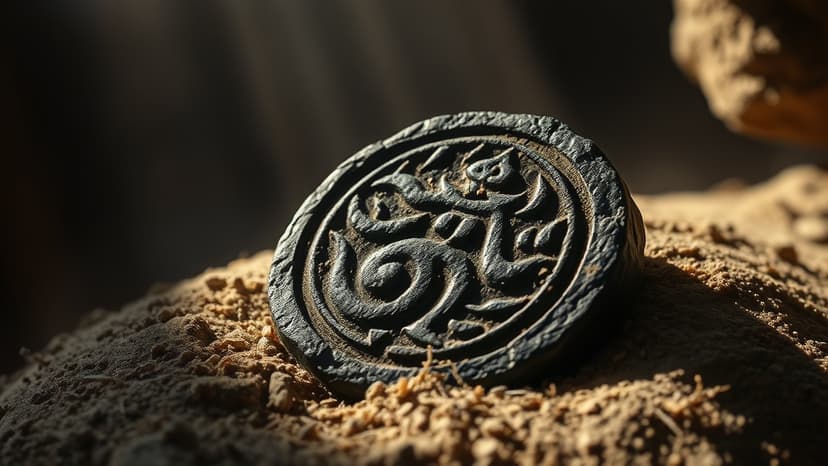
The Archaeological Survey of India's epigraphy division has successfully decoded a 5th-century Sanskrit inscription. This ancient text was found on a seal originating from Pakistan and is written in Brahmi characters.
The inscription identifies a Saiva temple, specifically one dedicated to Svami Kotesvara, situated in Devadaruvana, a forest known for Himalayan cedar trees. The inscription reads "Devadaruvane Svami Kotesvarah."
This seal is considered by the ASI to be potentially the oldest inscriptional and artistic representation of the Skandapurana legend of Siva. This finding is part of a series of Pakistan-origin inscriptions decoded by the ASI.
Earlier in 2026, the division decoded a 4th-century Sanskrit inscription from outside Gilgit. This inscription referred to Pushpasingha installing a Mahesvaralinga. Approximately five months prior, a 10th-century inscription from near Peshawar was also decoded, referencing Buddhist chants.
