Home / Science / Roman Necropolis Discovered Beneath Croatian City
Roman Necropolis Discovered Beneath Croatian City
13 May
Summary
- Ancient Roman graves found in Zadar, Croatia, date from 1st century B.C. to 5th century A.D.
- Over 3,000 graves uncovered in the Relja district, offering insight into Roman funerary practices.
- Finds reflect evolving attitudes towards the afterlife and a shift from paganism to Christianity.
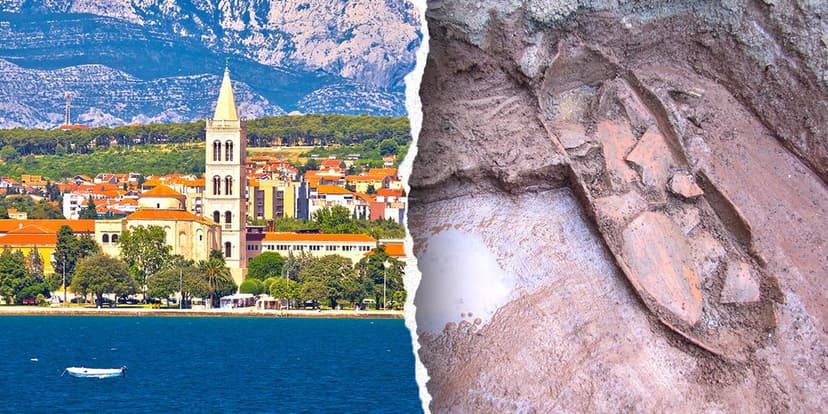
Archaeologists in Zadar, Croatia, have uncovered an ancient Roman necropolis dating from the first century B.C. to the fifth century A.D. The discovery was made in the Relja district, beneath a vibrant, fast-developing part of the coastal city. This area was a suburban area during Roman times, situated along a major road outside the ancient city walls.
More than 3,000 graves have been unearthed across the wider Relja area, with about 15 individual burials offering detailed insights. These finds illustrate the evolution of Roman funerary practices over centuries. Initially, cremation was dominant, with grave goods like glass vessels, ceramics, lamps, and coins. By the second century A.D., inhumation became more common.
Over time, the burials contained fewer grave goods, indicating a shift in attitudes toward the afterlife and changing religious beliefs from paganism to Christianity. The population of Roman Iader followed trends seen across the Roman Empire, suggesting a cohesive society. Some key finds include a burial potentially predating Roman Zadar and carbonized remains from the second or third century A.D.


