
Home / Science / Injured Ichthyosaur's Survival Secrets Revealed
Injured Ichthyosaur's Survival Secrets Revealed
29 Apr
Summary
- An 180-million-year-old injured ichthyosaur fossil was found in Germany.
- The sea predator had stones in its stomach, suggesting a changed diet.
- Fossilized bones and teeth reveal survival against harsh conditions.
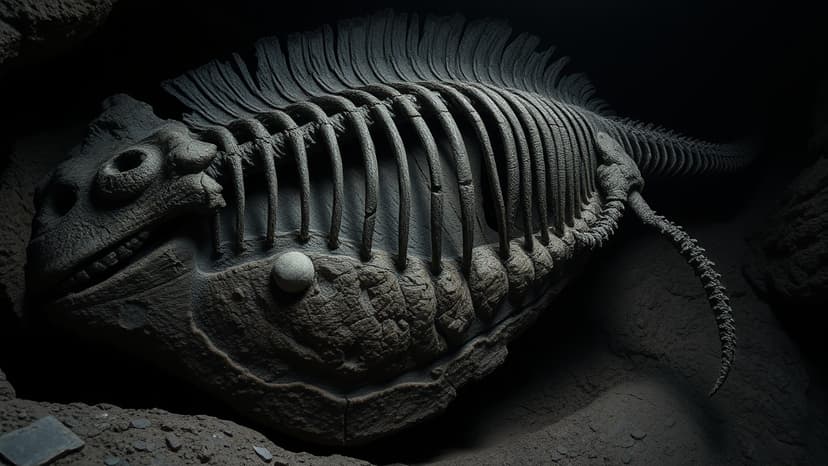
A remarkable 180-million-year-old fossil of a giant ichthyosaur, a marine reptile, has been unearthed in a clay pit in Mistelgau, Germany. This specimen, belonging to the Temnodontosaurus genus, was approximately 21 feet long and exhibited significant injuries to its shoulder and jaw, which would have severely impacted its ability to hunt.
Despite these debilitating injuries, the ichthyosaur survived, a testament to its resilience. Scientists discovered gastroliths, or stomach stones, within its remains, suggesting it may have adapted its diet to include softer prey or developed new methods for processing food. The exceptional preservation of the fossil includes over 100 teeth and delicate skull structures, offering a rare glimpse into its life.
The discovery in Mistelgau extends the known survival period of this ichthyosaur genus in the Southwest German basin. Ongoing research aims to further analyze the fossil's teeth and bones to reconstruct its behavior, diet, and the Jurassic-era environment it inhabited, contributing valuable knowledge to paleontology.
