Home / Science / Ancient Ice Cave Holds Superbug Secrets
Ancient Ice Cave Holds Superbug Secrets
17 Feb
Summary
- Bacteria from 5,000-year-old ice show resistance to 10 antibiotics.
- These ancient microbes may inhibit dangerous superbugs.
- Cave ice offers insights into natural evolution of antibiotic resistance.
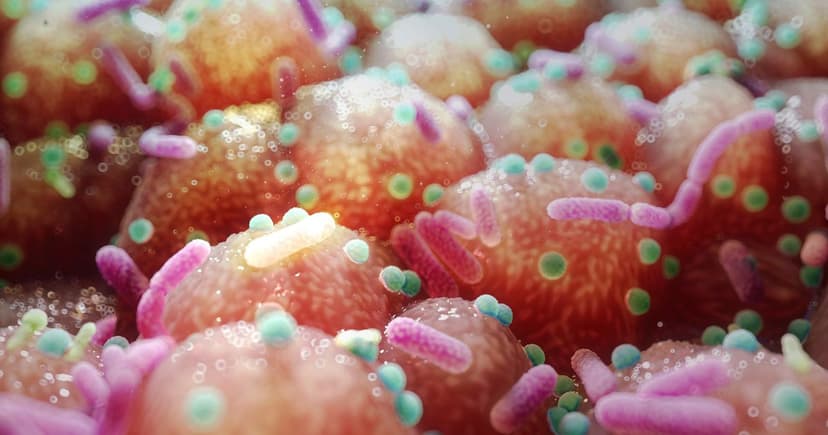
Scientists have discovered bacteria within a 5,000-year-old ice layer in Romania's Scarisoara Ice Cave that demonstrate resistance to up to 10 types of modern antibiotics. This discovery, while raising concerns about superbugs, offers a potential breakthrough in combating antibiotic resistance.
The ancient microorganisms, preserved in extreme conditions, possess over 100 resistance-related genes. Researchers believe studying these bacteria can reveal how resistance naturally evolves and potentially lead to the development of new preventative strategies and biotechnological innovations.
One specific strain, Psychrobacter SC65A.3, isolated from a 25-meter ice core representing a 13,000-year timeline, not only shows resistance to common antibiotics like rifampicin and vancomycin but also inhibits the growth of dangerous superbugs.
This research, published in Frontiers in Microbiology, highlights that melting ice could release these ancient microbes, potentially spreading resistance genes. However, they also offer a promise, producing unique enzymes and compounds that could inspire new antibiotics and industrial enzymes.