Home / Science / Ancient Egyptian Structure Found After 2,600 Years
Ancient Egyptian Structure Found After 2,600 Years
26 Nov
Summary
- Structure discovered using satellite radar and electrical resistivity tomography.
- Located in the ancient city of Buto, once an important political and religious hub.
- Ancient Egyptians may have used sand as a foundation for stability.
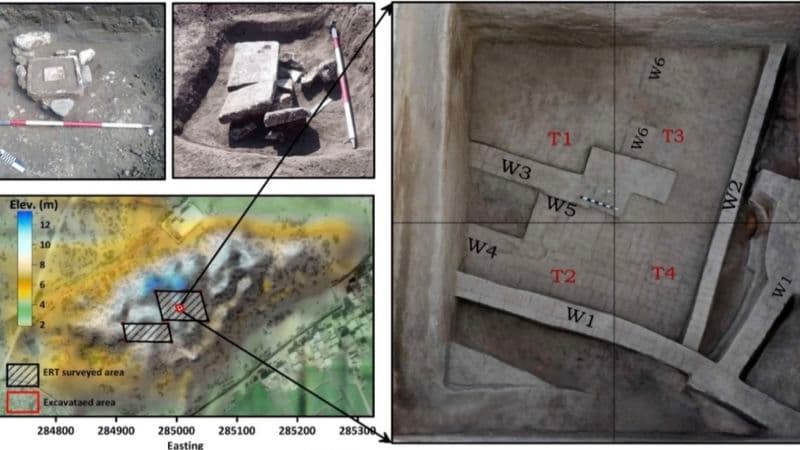
Archaeologists have uncovered a significant ancient Egyptian structure, buried for approximately 2,600 years, using a combination of satellite radar and electrical resistivity tomography. This advanced noninvasive technology allowed researchers to detect architectural features beneath the surface at the ancient city of Buto, a historically important religious and political center in northern Egypt.
The mudbrick structure, measuring an estimated 82 by 66 feet, dates back to Egypt's 26th Dynasty (seventh to sixth centuries BC). Researchers believe it may have served a religious purpose, such as a tomb or shrine. Excavations at the site yielded religious artifacts like amulets and an altar, reinforcing this theory.
A striking discovery was a deliberate layer of sand found 20 to 23 feet underground, believed to have been placed by ancient Egyptians to create a stable foundation. This finding could shed light on their engineering techniques for building on the soft, flood-prone soil of the Nile Delta.
The combined use of satellite imagery and electrical resistivity tomography offers a rapid and cost-effective method for identifying promising excavation sites. Experts suggest this technological approach will be crucial for future archaeological endeavors, helping to uncover more hidden chapters of ancient history across various sites worldwide.


