Home / Science / Ancient Egyptian Drill Rewrites Engineering History
Ancient Egyptian Drill Rewrites Engineering History
10 Feb
Summary
- A tiny copper artifact is earliest known metal drill.
- Tool shows advanced rotary bow drill use over 5,300 years ago.
- Finding pushes back advanced drilling tech timeline by two millennia.
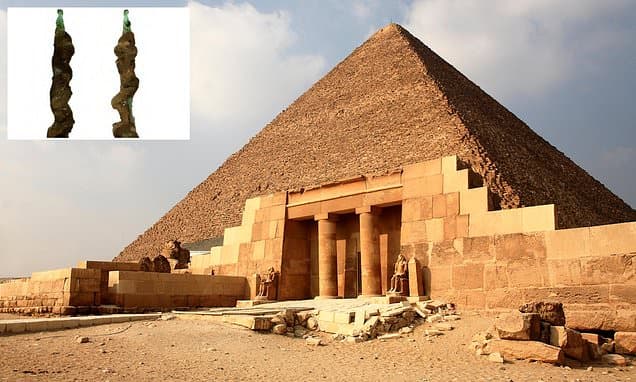
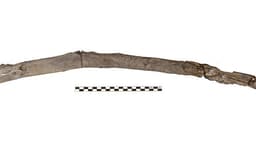
A tiny copper-alloy tool, long overlooked in a museum collection, is reshaping our understanding of ancient engineering. Researchers have identified this artifact as the earliest known metal drill, demonstrating that ancient Egyptians utilized a mechanically sophisticated rotary bow drill over 5,300 years ago.
This discovery significantly pushes back the timeline for advanced drilling technology by more than two millennia. It compels scholars to reconsider when complex mechanical tools first emerged in human history. The tool's composition includes arsenic and nickel, hinting at deliberate engineering choices and early trade networks.
Excavated from a cemetery in Upper Egypt, the artifact exhibits wear patterns consistent with sustained rotary drilling. Microscopic analysis revealed fine striations and rounded edges, supported by the presence of fragile leather thong coils wrapped around its shaft, providing direct evidence of a bow drill system.