Home / Science / DNA Unlocks Ancient Wine Grape Evolution
DNA Unlocks Ancient Wine Grape Evolution
24 Mar
Summary
- Ancient grape seeds reveal human wine domestication timeline.
- French wine grapes were cultivated as early as 650 B.C.
- Some grape lineages like Pinot Noir remained unchanged for centuries.
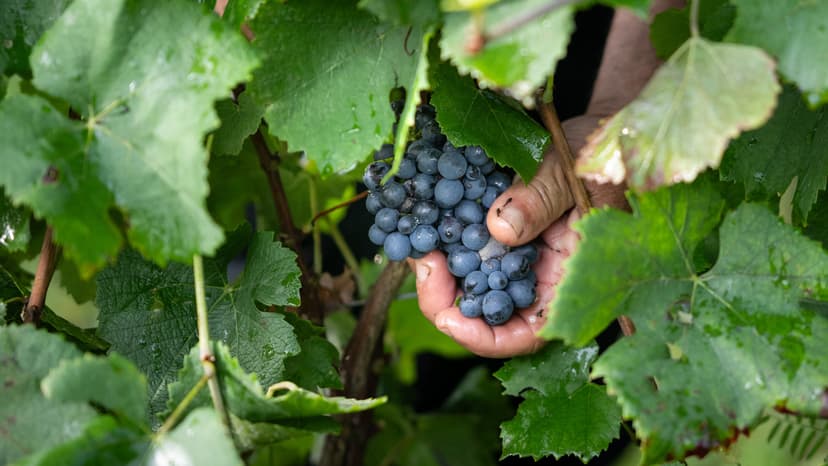
Genetic material preserved in ancient grape seeds has shed light on when and how humans began cultivating grapes for wine. New research analyzing pips from France indicates that human domestication of wine grapes occurred by 650 B.C. This timing coincides with the establishment of Greek settlements in the region, suggesting an even earlier start to winemaking practices.
The study also explored the evolution of grape varieties over centuries. It found that specific lineages, including Pinot Noir and the Portuguese white wine Folha de Figueira, have remained genetically consistent for long periods. This stability is attributed to humans' careful propagation efforts, a remarkable feat of horticultural dedication over nearly a thousand years, especially when contrasted with the development of other domesticated crops.