Home / Science / Ancient Bees Nested in Fossil Teeth Sockets!
Ancient Bees Nested in Fossil Teeth Sockets!
18 Dec
Summary
- Tiny ancient bee nests were found inside fossilized tooth sockets.
- This is the first recorded instance of bees using bones for nesting.
- The nests are estimated to be around 20,000 years old.
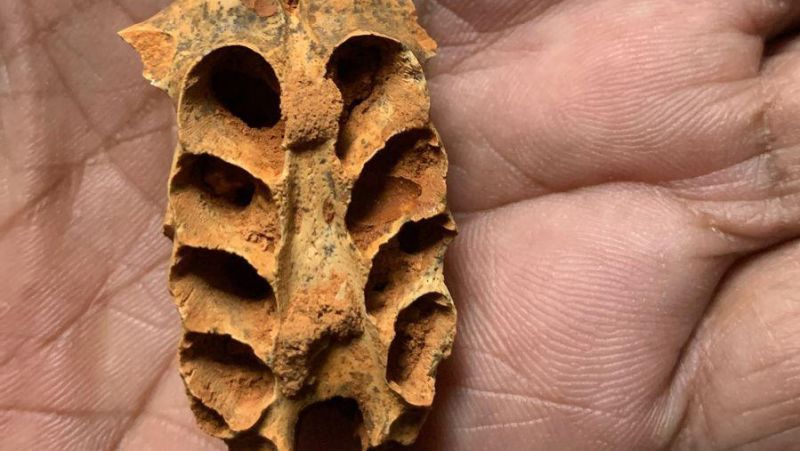
Researchers have uncovered an extraordinary prehistoric nesting behavior: tiny ancient bee nests constructed within the empty tooth sockets of fossilized bones. This remarkable discovery, documented for the first time, occurred inside a limestone cave on the Caribbean island of Hispaniola. The fossils, dating back approximately 20,000 years, provided an unexpected home for these ancient insects.
The study, published recently, highlights that about 90% of bee species are solitary and typically nest in the ground or plant stems. The cave's protected environment, possibly once inhabited by barn owls, preserved these unique trace fossils, known as ichnofossils. This finding fills a gap in the Caribbean fossil record, as other bee fossils from the region are much older and found in amber.
This unusual behavior offers a glimpse into the adaptability of bees, suggesting a greater diversity in their nesting processes than previously understood. While the specific bee species remains unidentified, their communal nesting in these bone cavities demonstrates their capacity to utilize novel environments. Further surveys are planned to explore if this behavior persists in the area or exists in other caves.