Home / Science / AI Unlocks Hope for Ultra-Rare Genetic Diseases
AI Unlocks Hope for Ultra-Rare Genetic Diseases
3 Mar
Summary
- AI analyzes existing drugs to treat rare genetic conditions.
- A drug trial shows promise for children with DeSanto-Shinawi syndrome.
- Rare People charity funds research for rare diseases.
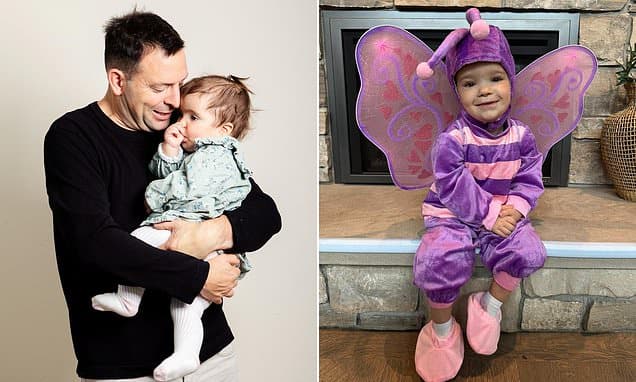
Artificial Intelligence is revolutionizing the treatment of ultra-rare genetic brain conditions. By analyzing vast datasets of existing medications, AI can identify drugs that may help manage these diseases, offering a faster and more accessible path to treatment.
One such condition, DeSanto-Shinawi syndrome (DESSH), affects a small number of children globally. For these patients, traditional gene therapy is not feasible, and drug companies lack commercial incentive for new drug development.
A pilot study at the Mayo Clinic investigated a repurposed epilepsy medication for a child with DESSH. Laboratory tests on the child's cells showed an increase in crucial WAC protein levels. Subsequent treatment led to significant developmental improvements, including speech and understanding.
This success, though preliminary, signals a powerful new model for treating hundreds of thousands of individuals affected by rare genetic diseases. The non-profit organization Rare People has been founded to secure funding for essential clinical trials of these AI-identified repurposed drugs.
With a focus on rigorous scientific study, Rare People aims to bridge the gap in research for rare conditions. Their mission is to provide children with rare diseases the same scientific ambition and treatment opportunities as those with more common illnesses.