Home / Science / AI Spots 1,400 Cosmic Oddities in Hubble Data
AI Spots 1,400 Cosmic Oddities in Hubble Data
28 Jan
Summary
- AI scanned nearly 100 million space images in 2.5 days.
- It identified 1,400 anomalous objects, over 800 new.
- Discoveries include merging galaxies, gravitational lenses, and more.
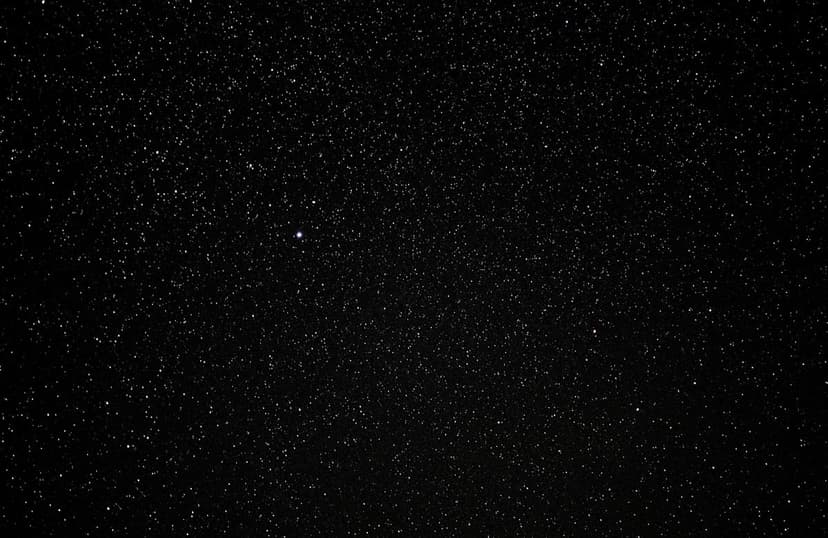
Astronomers at the European Space Agency (ESA) have successfully employed an AI tool named AnomalyMatch to analyze the extensive Hubble Legacy Archive. This neural network was designed to identify anomalies within the vast collection of space images gathered over Hubble's 35-year mission.
In a remarkable display of efficiency, AnomalyMatch processed nearly 100 million image cutouts in less than three days. This rapid analysis led to the discovery of 1,400 anomalous objects, significantly exceeding what human experts could achieve manually due to the sheer volume of data. The AI's findings still require human verification, with the anomaly-spotting astronomers confirming the candidates.
The confirmed anomalies included a variety of cosmic phenomena, such as interacting galaxies, gravitational lenses, and planet-forming disks. Notably, dozens of objects defied immediate classification, adding an element of mystery to the findings. This successful application of AI highlights its potential to maximize scientific returns from large astronomical datasets.