feedzop-word-mark-logo
searchLogin
Feedzop
homeFor YouUnited StatesUnited States
You
bookmarksYour BookmarkshashtagYour Topics
Trending
Terms of UsePrivacy PolicyAboutJobsPartner With Us

© 2026 Advergame Technologies Pvt. Ltd. ("ATPL"). Gamezop ® & Quizzop ® are registered trademarks of ATPL.

Gamezop is a plug-and-play gaming platform that any app or website can integrate to bring casual gaming for its users. Gamezop also operates Quizzop, a quizzing platform, that digital products can add as a trivia section.

Over 5,000 products from more than 70 countries have integrated Gamezop and Quizzop. These include Amazon, Samsung Internet, Snap, Tata Play, AccuWeather, Paytm, Gulf News, and Branch.

Games and trivia increase user engagement significantly within all kinds of apps and websites, besides opening a new stream of advertising revenue. Gamezop and Quizzop take 30 minutes to integrate and can be used for free: both by the products integrating them and end users

Increase ad revenue and engagement on your app / website with games, quizzes, astrology, and cricket content. Visit: business.gamezop.com

Property Code: 5571

Home / Science / AI Spots 1,400 Cosmic Oddities in Hubble Data

AI Spots 1,400 Cosmic Oddities in Hubble Data

28 Jan

•

Summary

  • AI scanned nearly 100 million space images in 2.5 days.
  • It identified 1,400 anomalous objects, over 800 new.
  • Discoveries include merging galaxies, gravitational lenses, and more.
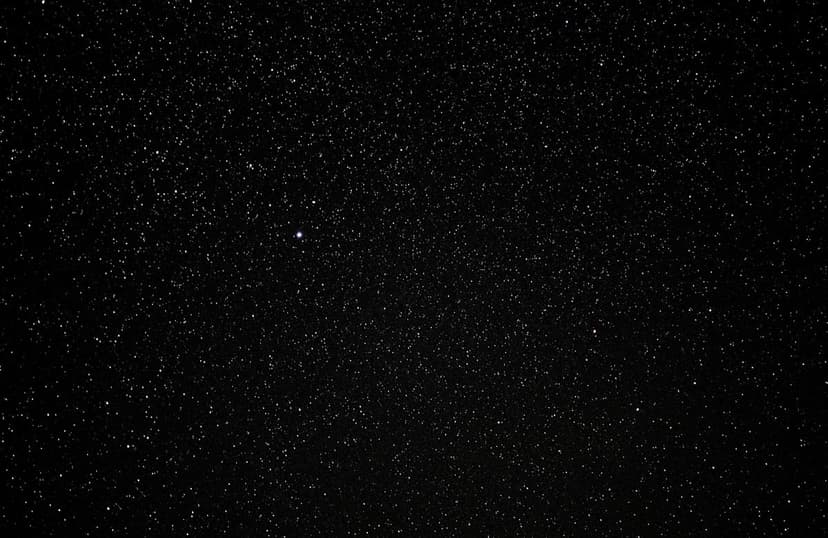
AI Spots 1,400 Cosmic Oddities in Hubble Data

Astronomers at the European Space Agency (ESA) have successfully employed an AI tool named AnomalyMatch to analyze the extensive Hubble Legacy Archive. This neural network was designed to identify anomalies within the vast collection of space images gathered over Hubble's 35-year mission.

In a remarkable display of efficiency, AnomalyMatch processed nearly 100 million image cutouts in less than three days. This rapid analysis led to the discovery of 1,400 anomalous objects, significantly exceeding what human experts could achieve manually due to the sheer volume of data. The AI's findings still require human verification, with the anomaly-spotting astronomers confirming the candidates.

The confirmed anomalies included a variety of cosmic phenomena, such as interacting galaxies, gravitational lenses, and planet-forming disks. Notably, dozens of objects defied immediate classification, adding an element of mystery to the findings. This successful application of AI highlights its potential to maximize scientific returns from large astronomical datasets.

Disclaimer: This story has been auto-aggregated and auto-summarised by a computer program. This story has not been edited or created by the Feedzop team.
AnomalyMatch AI is used to search through vast collections of space images, such as those in the Hubble Legacy Archive, to identify anomalous celestial objects.
The AI identified 1,400 anomalous objects, with more than 800 of them being previously undocumented.
The discoveries included interacting galaxies, gravitational lenses, planet-forming disks, and several objects that defied classification.

Read more news on

Scienceside-arrowArtificial Intelligence (AI)side-arrow
trending

Bitcoin price struggles amid fragility

trending

Buddha relics travel from Vadodara

trending

Mrunal Thakur wedding rumours

trending

Suzlon Energy Q3 results up

trending

Savannah Guthrie pleads for mother

trending

Australia vs Netherlands warm-up

trending

RCB wins WPL match

trending

Bas de Leede admires Pandya

You may also like

AI Coding Aid Hinders Skill Mastery, Study Finds

1 Feb • 32 reads

article image

AI for Cops: Perplexity Offers Free Tech

21 Jan • 85 reads

article image

Meta & EssilorLuxottica Plan AI Smart Glasses Surge

13 Jan • 138 reads

article image

Robots Learn Like Humans with New AI Model

13 Jan • 112 reads

article image

Physical AI: The Next Revolution After ChatGPT?

13 Jan • 149 reads

article image