Home / Science / Ancient French Mounds Hint at Human-Shaped Stones
Ancient French Mounds Hint at Human-Shaped Stones
12 Aug
Summary
- Researchers uncovered clues to a 7,000-year-old burial tradition in Brittany, France.
- Electrical surveys suggest ancient mounds may contain stone burial chambers.
- Discoveries could extend the known distribution of Passy-type Neolithic monuments.
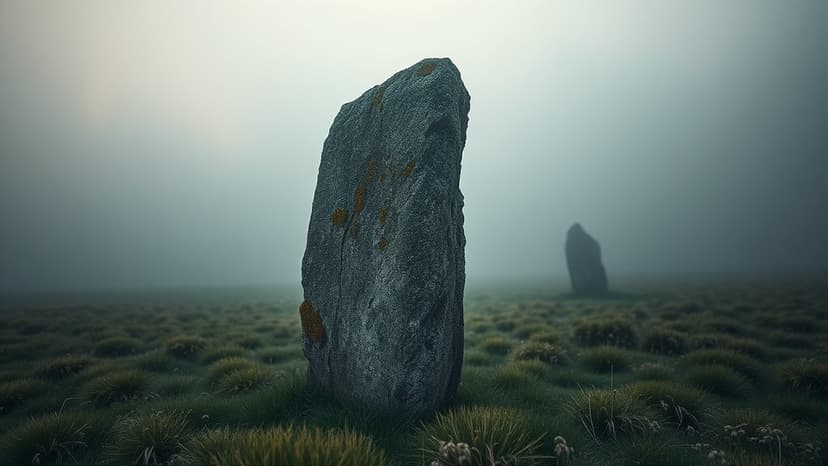
Archaeologists in Brittany, France, have uncovered potential clues to a 7,000-year-old burial tradition. Researchers used electrical surveys at the Coëby Neolithic cemetery near Trédion to examine two large earth mounds. The non-invasive technique revealed patterns consistent with underground stone-built burial chambers and unusual standing stones.
These findings suggest the mounds could be related to Passy-type barrows, a known Neolithic funerary monument type. If confirmed, this discovery would significantly extend the known geographical distribution of this tradition westward. It offers a new perspective on how Neolithic communities commemorated their dead and shaped their landscapes.
The Coëby cemetery, discovered in 1986, hosts various prehistoric monuments. The recent study highlights the possibility of anthropomorphic standing stones, potentially symbolic of the buried individuals. Further excavation is required to confirm the exact nature and funerary purpose of the structures.


