Home / Science / Neolithic Seashell Horns: Europe's Oldest Instruments
Neolithic Seashell Horns: Europe's Oldest Instruments
2 Dec
Summary
- Six-thousand-year-old conch shell trumpets were found in Catalonia.
- These ancient instruments produced tones similar to a French horn.
- Shell trumpets served as communication tools and musical instruments.
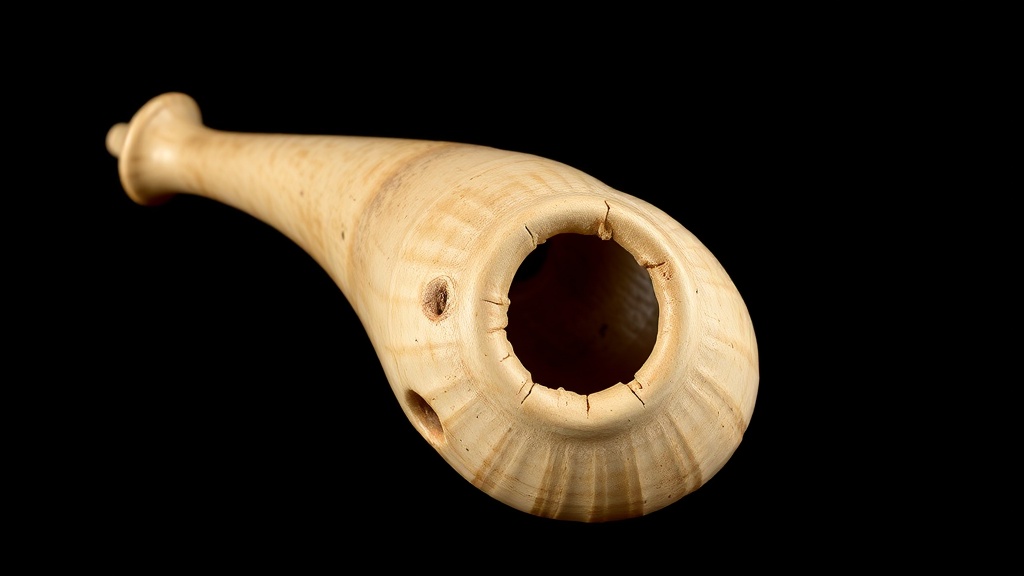
Archaeologists have unearthed large conch shell trumpets in Neolithic settlements and mines in Catalonia, dating back 6,000 years. These ancient instruments, dating from the late fifth to early fourth millennia BC, were found to produce a powerful, stable tone, comparable to a French horn. Their utilitarian purpose as long-distance communication tools and rudimentary musical instruments is supported by evidence of their modification for sound production.
Experiments reveal these ancient 'sound technologies' could be manipulated to change their tone and timbre, similar to modern brass instruments like trumpets and trombones. The shells may have been used to communicate between settlements, across agricultural landscapes, or even within the mines where they were discovered. This suggests a sophisticated understanding of acoustics and sound manipulation among Neolithic peoples.
These findings place the Catalan shell trumpets among the earliest known sound-producing technologies in Europe. The oldest comparable conch shell trumpet, found in France, dates back approximately 18,000 BC. This continuous use of nearly identical instruments for millennia, extending to the mid-20th century, underscores their cultural significance, blending practical communication with potential expressive and musical functions.