Home / Lifestyle / Winter Spiti: Raw Adventure, Not Tourist Comfort
Winter Spiti: Raw Adventure, Not Tourist Comfort
9 Mar
Summary
- Winter Spiti journey involves treacherous roads and basic amenities.
- Low oxygen levels and extreme cold pose significant health challenges.
- The raw, demanding reality contrasts sharply with social media's portrayal.
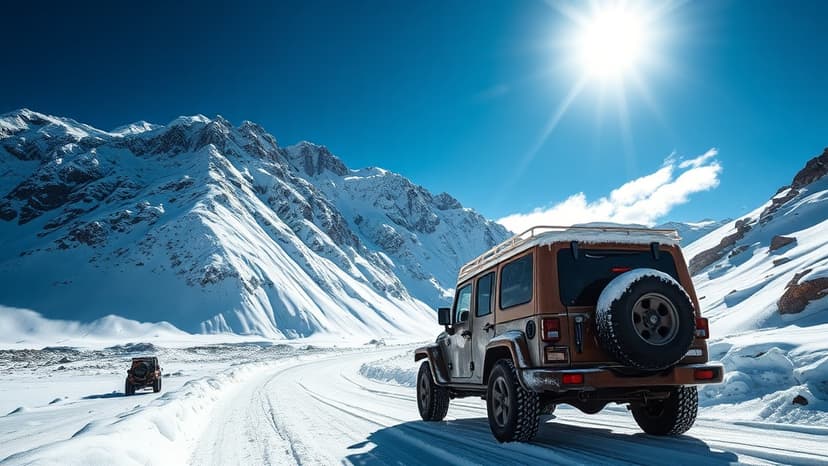
A seven-day journey to Spiti in February revealed a winter landscape that is both breathtakingly beautiful and intensely challenging. The expedition began with an overnight bus to Shimla, followed by an eight-hour drive along dangerous cliffside roads to Chitkul, India's last village, where running water was unavailable.
The journey continued towards Spiti, navigating roads described as painfully beautiful yet hazardous, with pit stops at Khab Sangam and Sangla. Accommodations included a monastery-turned-guest house, offering stunning mountain views and a unique blend of nature and culture.
Upon reaching Kaza, travelers experienced reduced oxygen levels, making basic daily tasks exhausting. Experienced trip leaders emphasize that while Spiti's beauty is real, it requires significant effort and preparation, urging visitors to research altitude and terrain challenges.
Winter travel in Spiti is not luxurious; amenities like attached washrooms are absent due to freezing water, and accommodations are typically warm mud houses. Medical issues related to altitude are common, with hydration being crucial. Essential services are limited, with only government hospitals available.
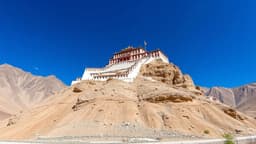
Despite the difficulties, visits to Key Monastery, Dhankar Monastery, and the Buddha statue provided moments of awe. The true spirit of Spiti lies in embracing its raw, demanding reality, fostering deep connections among travelers and offering rewards beyond mere photographs for those willing to embrace the journey.