Home / Lifestyle / Winter Dangers for Pets: What You Need to Know
Winter Dangers for Pets: What You Need to Know
5 Dec
Summary
- Hypothermia and frostbite pose deadly risks to pets.
- De-icing salts can burn paws and cause indigestion.
- Antifreeze is a sweet-tasting, fatal toxin for animals.
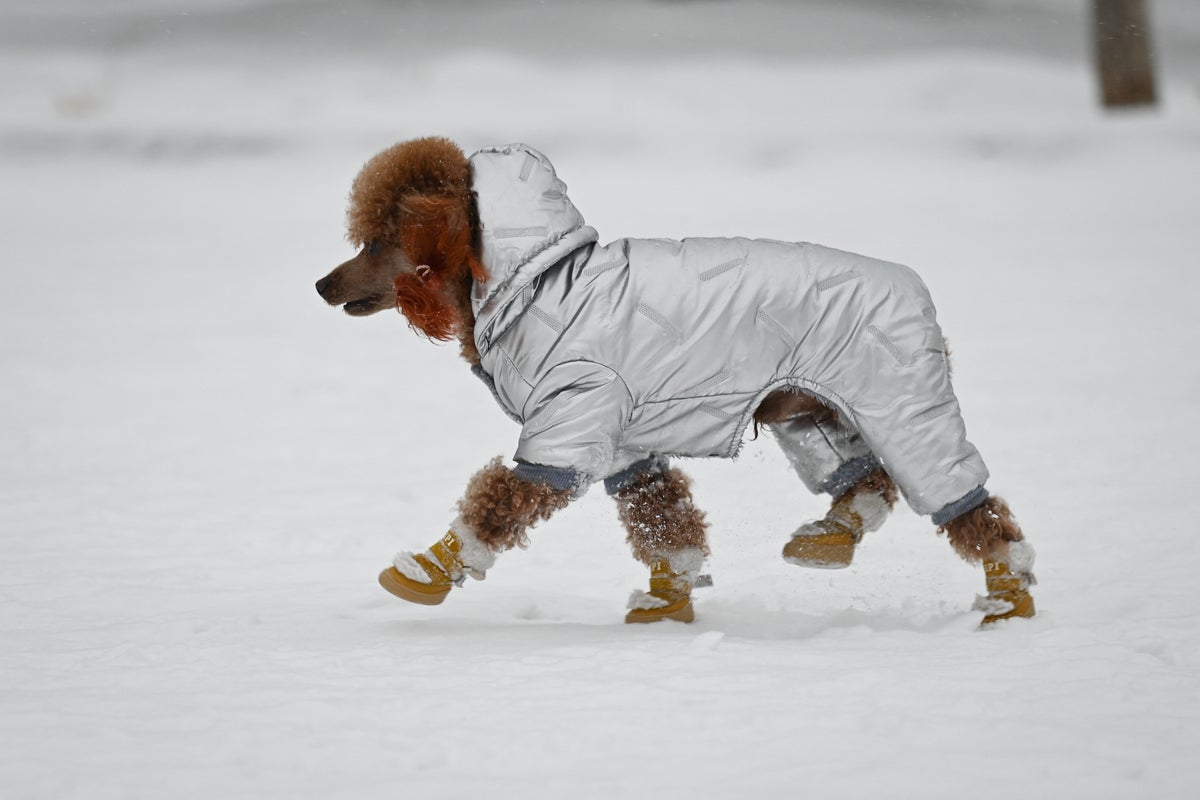
Winter brings significant risks for pets, emphasizing the need for owner preparedness. Extreme cold temperatures can rapidly lead to hypothermia and frostbite, particularly for smaller, older, or less-insulated animals. Owners should be aware of the symptoms and seek immediate veterinary care if suspected, focusing on gradual rewarming.
Beyond temperature, common winter elements pose threats. De-icing salts and chemicals can cause chemical burns, dryness, and irritation to paw pads, with ingestion leading to digestive problems. Antifreeze, often found in garages, is highly toxic; its sweet taste can entice pets, leading to fatal kidney failure even from minimal exposure.
Proactive measures like pet-friendly de-icing solutions, paw balms, and protective booties are recommended. Owners should also consider indoor enrichment activities for pets when outdoor conditions are too harsh. Ensuring pets are microchipped and kept secure is vital, as snow and ice can obscure familiar scents and lead to disorientation or dangerous encounters.