Home / Lifestyle / Dog Caching: Your Pet's Wild Ancestry Revealed
Dog Caching: Your Pet's Wild Ancestry Revealed
8 Dec, 2025
Summary
- Dogs cache food and toys as an instinctual remnant of ancestral survival behaviors.
- Caching behavior may increase in dogs with past food scarcity or stress.
- Puzzle toys and snuffle mats can help redirect unwanted caching behavior.
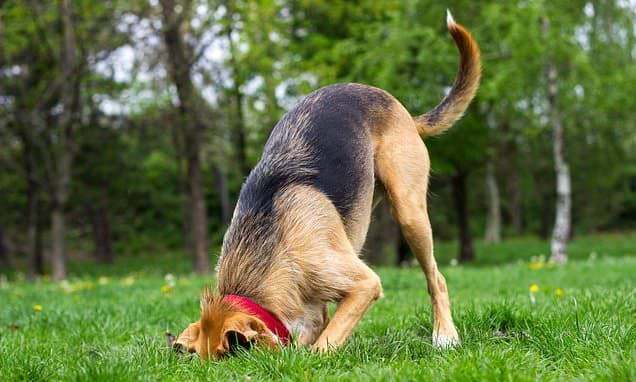
Canine behavior expert Dr. Mia Cobb highlights that dogs hiding food or toys, termed 'caching,' is a natural instinct inherited from their wild ancestors. This behavior, common across many species, allows animals to store provisions for leaner times. Modern dogs exhibit this as a remnant of hunting and competitive feeding patterns, not necessarily as a prediction of future hunger.
While caching is normal, certain dogs, especially those with a history of food scarcity or those from hunting breeds like terriers and hounds, may display it more frequently. Dr. Cobb suggests that understanding this instinct is key. Problematic caching or resource guarding can be managed by providing more resources and ensuring separation during feeding times, potentially with professional guidance.
To satisfy this innate drive constructively, interactive puzzle toys and snuffle mats are recommended. These tools engage dogs, reduce boredom and anxiety, and fulfill their need for problem-solving. When caching escalates to resource guarding, owners should consult a vet or animal behavior professional for safety strategies.