Home / Lifestyle / Nations Remake Identities: Why Countries Change Their Names
Nations Remake Identities: Why Countries Change Their Names
14 Dec, 2025
Summary
- Nations change names for independence, cultural shifts, or political reasons.
- Sri Lanka, Myanmar, and Iran are notable examples of recent name changes.
- Name changes reflect evolving national identity and global presentation.
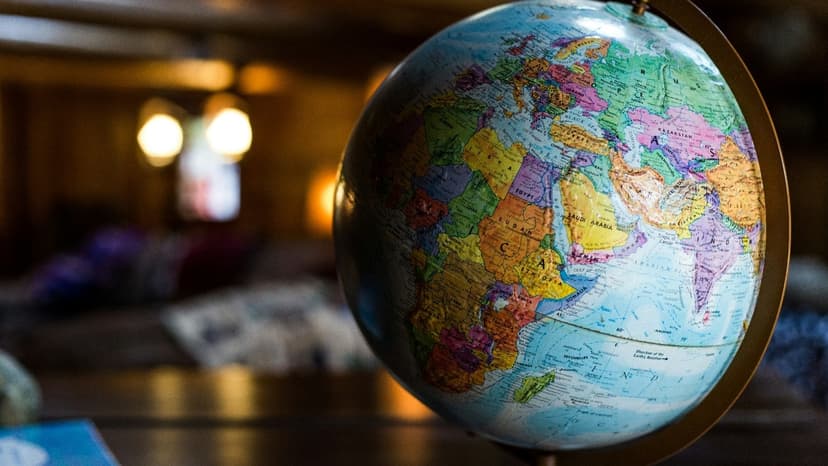
Countries adopt new names to signify profound shifts, whether marking independence, embracing cultural identity, or responding to political realignments. This practice highlights how nations consciously reshape their global presentation, often erasing colonial legacies or forging distinct modern personas.
Notable transformations include Sri Lanka shedding its colonial name Ceylon in 1972, and Myanmar officially adopting its new name in 1989 following significant political changes. Eswatini's 2018 rebranding from Swaziland aimed to honor its SiSwati language and avoid confusion with Switzerland.
Further examples like North Macedonia's name change in 2019 to resolve a dispute with Greece, or Iran's adoption of its local name in 1935, illustrate the strategic and symbolic power of national nomenclature. These shifts collectively underscore a nation's ongoing narrative and its self-determined place in the world.