Home / Lifestyle / Unraveling the Secrets of Delhi's Iconic Red Fort: A Treasure Trove of Architectural Marvels
Unraveling the Secrets of Delhi's Iconic Red Fort: A Treasure Trove of Architectural Marvels
10 Nov
Summary
- The Red Fort was built by Mughal emperor Shah Jahan in the 17th century
- It featured an ingenious cooling water channel and was once adorned with gold and jewels
- The fort became a UNESCO World Heritage Site in 2007
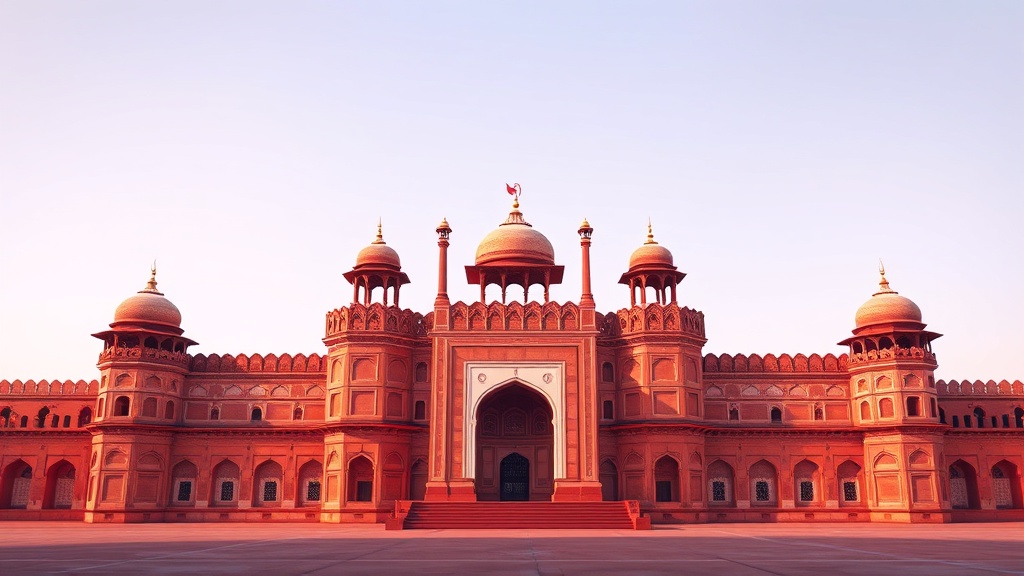
The Red Fort, or Lal Qila, is one of Delhi's most iconic landmarks and a testament to India's rich cultural heritage. Constructed in the 17th century by Mughal emperor Shah Jahan, the fort was once a symbol of imperial power and grandeur.
Behind its towering red sandstone walls, the Red Fort hides a remarkable engineering marvel. According to UNESCO, the fort was home to an intricate water channel known as Nahr-i-Bihisht, or "Stream of Paradise." Inspired by Persian gardens, this artificial waterway flowed through the private palaces and residential areas, creating a naturally cool and comfortable environment for the emperor and his court. The gentle hum of flowing water, combined with fragrant gardens and ornate architectural features, gave the palace a serene ambiance.