Home / Lifestyle / The Fabric Revolution: Sustainable Choices
The Fabric Revolution: Sustainable Choices
20 Feb
Summary
- Synthetics like polyester are essentially plastics derived from fossil fuels.
- Tencel (Lyocell) offers a sustainable alternative made from wood pulp.
- Linen, derived from flax, is breathable, durable, and biodegradable.
- Pima cotton emphasizes longevity, lasting longer than standard cotton.
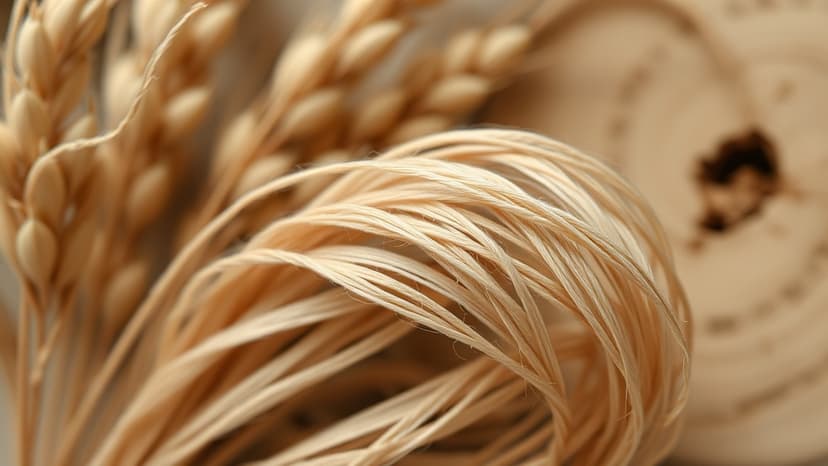
The fashion industry is undergoing a significant shift towards sustainable materials, moving beyond pervasive synthetic fabrics like polyester, nylon, and acrylic. These materials, essentially plastics derived from fossil fuels, trap heat and shed microplastics into oceans during washing. A leading sustainable alternative is Tencel, also known as Lyocell. This semi-synthetic fiber is crafted from dissolved wood pulp, typically eucalyptus, and is praised for its silk-like softness and drape. Its production utilizes a closed-loop system that recycles nearly all water and solvents, requiring less land and water than conventional cotton. Linen, an ancient fabric made from the flax plant, is celebrated for its remarkable breathability and resilience. Flax thrives with minimal water, pesticides, and poor soil, making it an eco-friendly choice. Although prone to wrinkling, linen's natural properties are ideal for warm climates and it is fully biodegradable. For cotton lovers, Pima cotton, or Extra-Long Staple cotton, presents a durable option. Its longer fibers result in fabric that is softer, stronger, and resists wear and pilling, encouraging longer garment life and reducing waste. Choosing these materials over synthetics for everyday wear supports both personal comfort and environmental health.