Home / Lifestyle / Spice Secrets: Winter Warmth's Tropical Roots
Spice Secrets: Winter Warmth's Tropical Roots
2 Dec, 2025
Summary
- Spices like cinnamon, nutmeg, and ginger grow in tropical climates, not linked to Northern Hemisphere seasons.
- Ginger needs 8-10 months to mature, while nutmeg trees take up to 20 years for peak production.
- Cinnamaldehyde in cinnamon tricks the nervous system to perceive warmth and aids digestion.
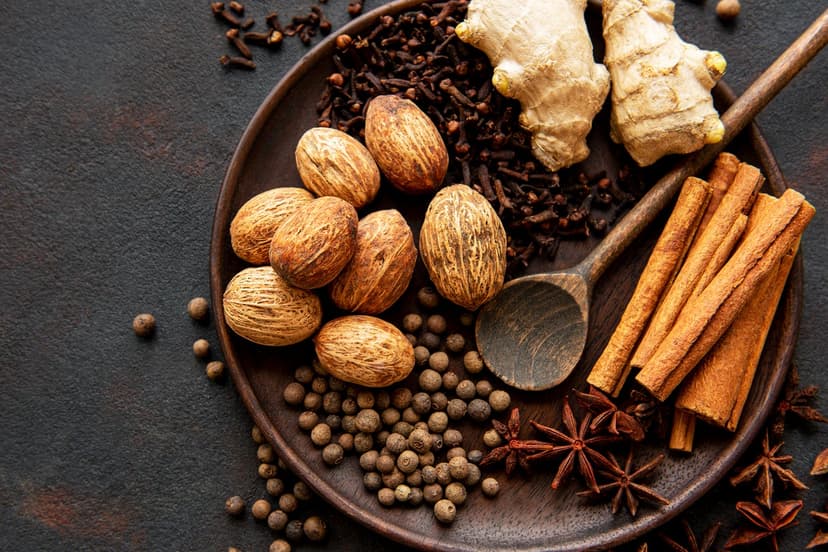
Tropical spices like cinnamon, nutmeg, and ginger are deeply connected to winter holiday traditions in the Northern Hemisphere. However, their origins and growth cycles reveal a different story, far removed from seasonal harvests.
Ginger requires eight to ten months for maturity, and its harvest is best before cold weather impacts rhizome quality. Nutmeg trees, native to Indonesia, begin yielding fruit after six years but reach peak production around twenty years old, providing both nutmeg and mace. Cinnamon production, sourced from two tree species, typically starts after two years, with bark harvesting easiest after monsoons.
These spices are described as 'warm' due to compounds like cinnamaldehyde in cinnamon, which simulates a warming sensation and offers health benefits such as aiding digestion and regulating blood sugar. Ginger and nutmeg also boast digestive and immune-boosting properties, with ginger's gingerol aiding nausea and nutmeg's compounds potentially fighting bacteria.