Home / Lifestyle / Spain's Kissing Culture: Freedom's Public Display
Spain's Kissing Culture: Freedom's Public Display
9 Nov
Summary
- Spanish public displays of affection stem from cultural openness.
- Housing crises push intimate moments into public spheres.
- Past repression under Franco criminalized public displays of affection.
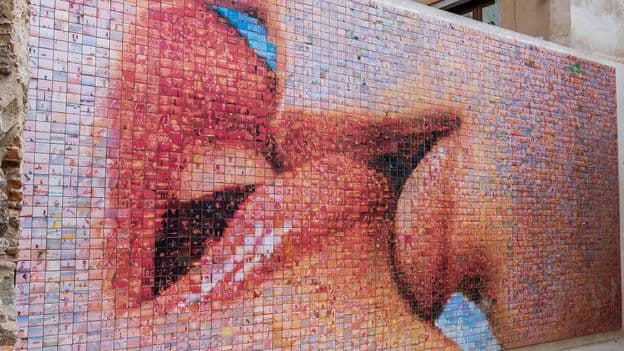
Spain is known for its comfort with public displays of affection, including kissing, which are a common sight. This openness is partly attributed to the Spanish tendency to conduct daily life in public spaces like streets and cafes, and a cultural inclination towards physical demonstrativeness.
Sociological factors, such as high urban living density and a housing crisis, mean many Spaniards have limited private space at home. This can lead couples to seek secluded public spots for intimate moments, making public spaces a de facto extension of private life.
Historically, however, Spain experienced significant repression. During Francisco Franco's dictatorship (1939-1975), conservative values and laws strictly controlled public behavior, even fining couples for kissing. Homosexuality was criminalized, and public displays of affection were policed.
Following Franco's death in 1975, Spain embraced a cultural transformation. The 'La Movida Madrileña' movement celebrated freedom and self-expression, challenging past conservative norms. This shift was bolstered by decades of activism, notably LGBT protests in Madrid, which culminated in events like the 1987 kiss-in protesting the arrest of two women for kissing in public.
Today, while public affection is widely accepted, not all couples experience equal freedom. Same-sex couples can still face more scrutiny than heterosexual couples. Despite ongoing work, public kissing in Spain represents a powerful symbol of freedom and authenticity in contemporary society.


