
Home / Lifestyle / Socotra's Spirit: How an Island Became a Goddess
Socotra's Spirit: How an Island Became a Goddess
1 May
Summary
- Ancient Indian mariners worshipped Socotra island as a sea goddess.
- This island refuge in Yemen inspired the deity Sikotar Mata in Gujarat.
- Evidence of Indian presence on Socotra includes ancient Brahmi inscriptions.
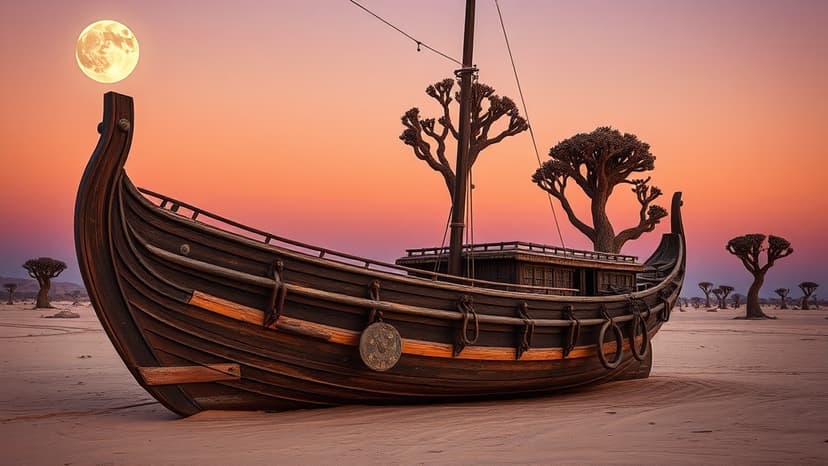
Ancient Indian seafarers developed a deep connection with the island of Socotra, located southeast of Yemen. This island served as a vital refuge and first landfall after arduous voyages across the Arabian Sea thousands of years ago. The spirit of Socotra, with its unique flora like Dragon Blood trees and bizarre baobab trees, was carried back to India by these mariners.
This island's influence took root in India, particularly among Gujarat's seafaring communities, as the deity Sikotar Mata, also known as Dariya Ki Devi or Goddess of the Sea. Literature suggests seafarers prayed to her for protection during perilous storms.
Evidence of ancient Indian presence on Socotra spans centuries. The Periplus of the Erythraean Sea notes Indian inhabitants, and Hoq Cave contains over 200 Brahmi script inscriptions alongside boat drawings, confirming prolonged visits and possibly temporary settlements by Indian mariners.
Today, temples dedicated to Sikotar Mata, often depicted seated on a goat in a ship, thrive in Gujarat. Devotees offer miniature toy boats and coconuts before voyages. This devotion survived challenges, including Portuguese trade route disruptions in the 16th century, remaining strongest in Gujarat and Kutch.
