Home / Lifestyle / Queer Choruses: 45 Years of Hope and Resilience
Queer Choruses: 45 Years of Hope and Resilience
31 May
Summary
- Founded in 1981, the Gay Men's Chorus of Washington, DC, became a refuge during the AIDS crisis.
- Intergenerational connection in queer choruses helps youth imagine brighter futures.
- LGBTQIA+ choruses offer vital support against rising political attacks on youth.
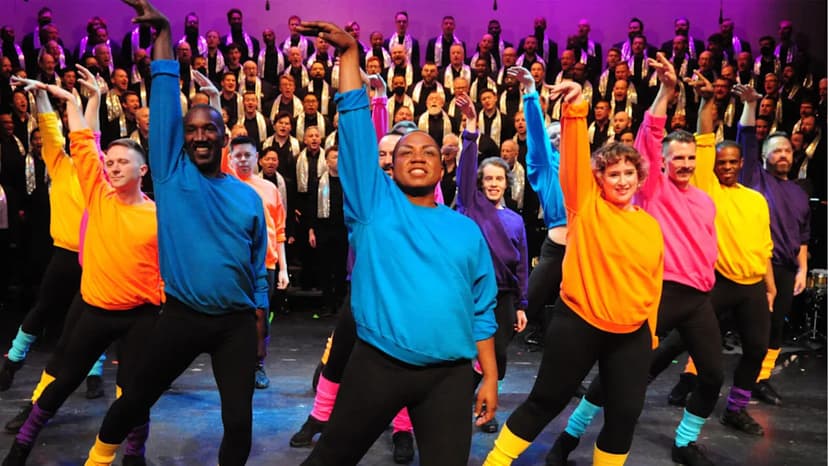
In 1981, the Gay Men's Chorus of Washington, DC (GMCW) was established, offering a safe space during the emergence of the AIDS crisis and a time of significant risk for gay men. This chorus quickly evolved into a community, a refuge, and a testament to survival.
Forty-five years later, groups like GMCW's GenOUT Youth Chorus offer a powerful connection between generations. By singing together, young LGBTQIA+ individuals gain visible proof that queer adulthood is achievable and that community can endure challenging political climates.
These choruses provide a unique environment for LGBTQIA+ individuals to connect, learn, and envision their futures. Following the 2024 election, GMCW members shared their experiences of past adversities with young singers, emphasizing resilience and mutual support.
GMCW has broadened its inclusivity, welcoming trans singers, nonbinary singers, women, and straight allies, extending its founding promise. This evolution includes initiatives like Swan Street Voices, honoring William Dorsey Swann and featuring trans and nonbinary performers.
Beyond Washington, D.C., LGBTQIA+ youth choruses are expanding, such as the Nashville Major Minors in Tennessee. These groups create supportive spaces for young people to explore identity without constant defense, aiding their personal growth and healing.
The continuity of these organizations is exemplified by individuals like Anjali Murthy, who transitioned from youth singer to adult member and mentor. Such programs prove that support extends beyond age-out, fostering leadership and lasting engagement.
As attacks on LGBTQIA+ youth, particularly trans and nonbinary individuals, intensify nationwide, these inclusive choruses stand as essential institutions. They offer spaces where young people are valued for who they are, not reduced to political debates, underscoring the need for their continued funding and protection.


