Home / Lifestyle / Gaming Gap: Parents Admit Ignorance
Gaming Gap: Parents Admit Ignorance
27 Oct
Summary
- Most parents let kids play games without knowing details.
- Children often explain gaming concepts to parents.
- Parents' main concerns are screen time and content.
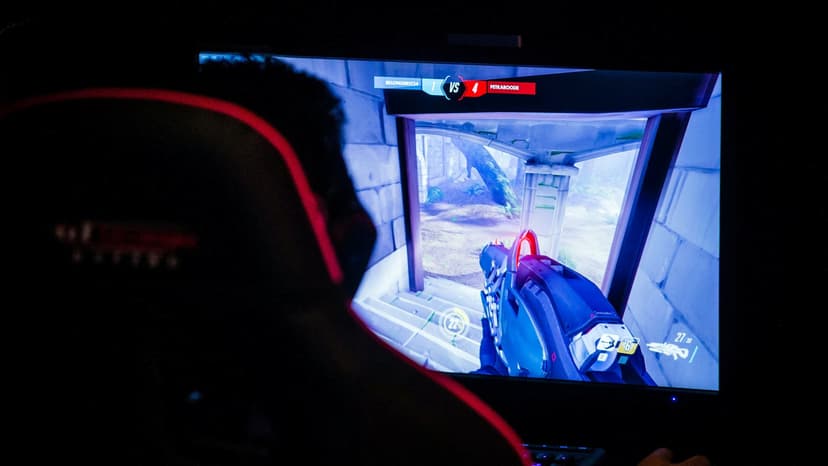
A significant majority of parents, approximately seven in ten, permit their children to engage with video games without fully grasping details like age ratings or specific game content. Research indicates that children often serve as the primary source of information for their parents regarding gaming-related terminology and issues. Parents express significant concerns about their children's screen time, potential exposure to inappropriate content, and the identities of individuals their children interact with while gaming.
Despite these apprehensions, a notable portion of parents believe that a deeper understanding of their children's gaming activities would foster greater confidence in making informed decisions. Nintendo has responded by developing a "Parent's Guide to Gaming with Confidence," which addresses topics such as online safety, parental controls, and screen time management. Experts emphasize that building parental literacy about video games is crucial for empowering families to integrate gaming positively into their households.
Further findings highlight that parents would benefit from support in managing screen time, implementing parental controls, and understanding game content, areas where many feel ill-informed. Nevertheless, a majority of parents acknowledge the potential benefits of video games, including the development of problem-solving, teamwork, creativity, and communication skills. Many parents also actively participate in gaming with their children, reporting that it enhances family connection, communication, and mutual understanding.


