Home / Lifestyle / Art History Rewritten: Obesity as Beauty?
Art History Rewritten: Obesity as Beauty?
14 May
Summary
- Obesity was historically a symbol of prosperity and status.
- Mona Lisa may have been overweight due to pregnancy.
- Modern weight loss drugs could inspire future art trends.
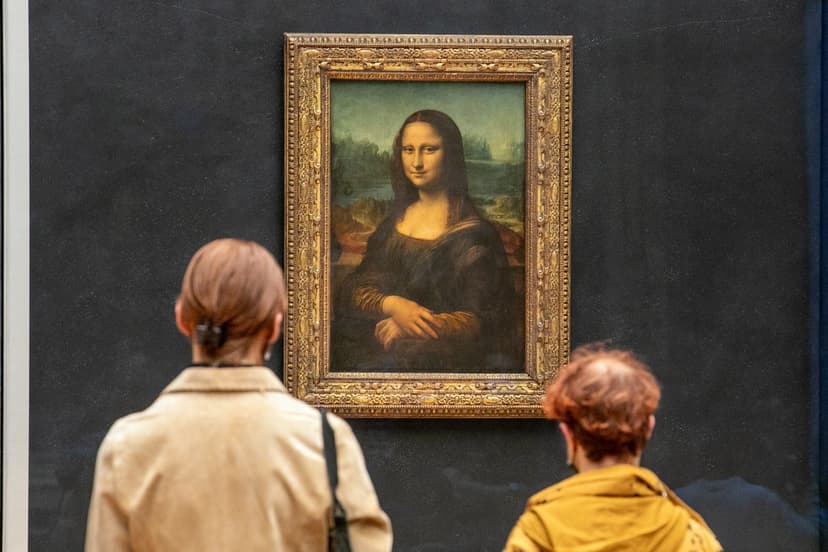
Historically, corpulence was equated with prosperity, wealth, and high social status, according to paediatric endocrinologist Dr. Michael Yafi. This perspective is evident in art spanning millennia, from the Venus of Willendorf to depictions of Ottoman emperors. Dr. Yafi theorizes that the Mona Lisa's famed figure might simply reflect weight gained from her four pregnancies, rather than a metabolic disorder.
This historical view of obesity as a positive attribute, signifying beauty, fertility, and power, began to shift in the latter half of the 20th century. This change led to the glorification of thinness and the stigmatization of obesity. Dr. Yafi anticipates that the dramatic weight loss induced by modern drugs like Wegovy and Mounjaro could inspire future artistic movements, potentially featuring 'GLP-1 faces.'
Understanding how obesity has been perceived historically can foster more empathetic medical treatment. Dr. Yafi believes this non-judgmental approach could lead to better patient outcomes. His insights were presented at the European Congress on Obesity in Istanbul.


