Home / Lifestyle / Lucknow's Culture: Paan, Poetry, and Palate
Lucknow's Culture: Paan, Poetry, and Palate
29 Nov, 2025
Summary
- Lucknow's heritage showcased through paan etiquette and royal traditions.
- Culinary delights explored, highlighting Iranian influence on local cuisine.
- Festival celebrated Chowk's unique cultural and religious significance.
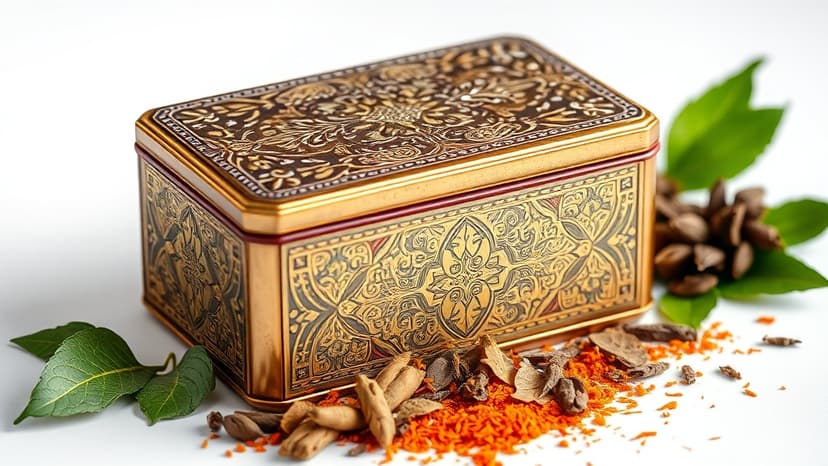
The Koshala Literature Festival, 'Shauq-e-Lucknow', recently celebrated the vibrant cultural heritage of the city of nawabs. Nawab Masood Abdullah, a member of the royal Awadh family, illuminated the intricate traditions surrounding 'paan' in Lucknow, detailing its elegant presentation and the associated courtly etiquette. He also elaborated on the gentle nuances of Lucknow's spoken language.
Insights into Lucknow's gastronomy were also shared, emphasizing the profound Iranian influence that shapes its distinct flavors and aromatic spices. The session highlighted the city's evolving culinary identity and its gastronomic richness. Riddhi Gaur discussed the cultural significance and enduring popularity of 'Raja ki Thandai' from Chowk.
Furthermore, the festival touched upon the lesser-known historical aspects of Chowk, referred to as 'Chhoti Kashi' due to its numerous ancient wells and 'Shivalingams'. The event also featured sessions on the influence of social media and the evolution of journalism in Lucknow, showcasing the city's dynamic spirit.